Creating a thriving pollinator garden means choosing butterfly-friendly shrubs that are easy to care for and productive across seasons. The following five options are well-suited for American gardens, offering vibrant blooms, nectar-rich flowers, and resilience in a range of climates. From seed mixes to live shrubs, these selections attract butterflies, bees, and other pollinators while fitting different space requirements and sun exposures.
| Product | Type | Bright Spot | Zones |
|---|---|---|---|
| 350+ Mix Butterfly Bush Seeds | Seed Mix | Fragrant blooms attract pollinators | 3-9 |
| Red Butterfly Bush Live Shrub Plant | Live Shrub | Vibrant clusters and strong fragrance | 5-9 |
| Blooming & Beautiful Pugster Amethyst | Decorative Shrub | Compact size with continuous amethyst blooms | 5-9 |
| Butterfly Bush Mix Seeds – Buddleja Davidii | Seed Mix | Multiple colors, nectar-rich | Sun to partial shade varies |
| Buddleia ‘Pugster Blue®’ | Compact Shrub | Long bloom time, container-friendly | 5-9 |
350+ Mix Butterfly Bush Seeds
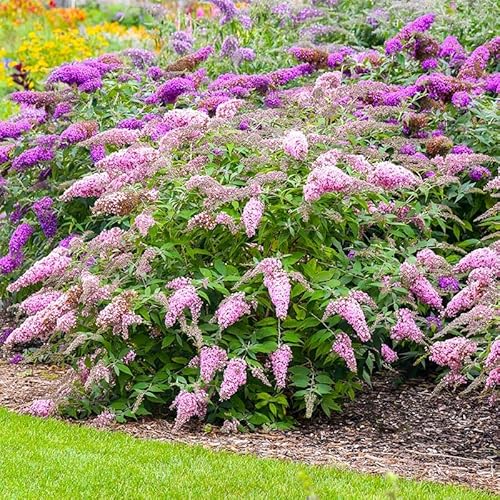
The 350+ Mix Butterfly Bush Seeds provide a broad array of nectar-rich blooms designed to attract a wide range of pollinators. This drought-tolerant, low-maintenance option is adaptable to USDA zones 3-9, making it suitable for many American gardens. Plant seeds in spring by scattering on moist soil and pressing lightly without covering; keep soil light and warm to encourage germination. These seeds offer flexibility for gardeners seeking a naturalized or larger pollinator border while minimizing maintenance efforts.
Red Butterfly Bush Live Shrub Plant
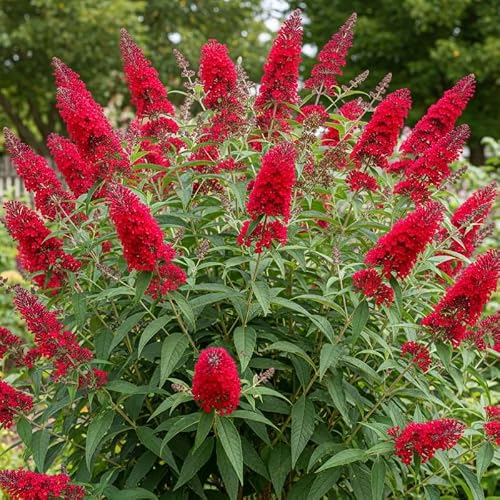
Red Butterfly Bush, a Buddleia variety, is a deciduous shrub celebrated for its fragrant, long flower clusters. Its tall, vibrant blooms make it a standout in any border or hedge. It thrives in zones 5-9 and prefers full sun, contributing to a striking visual display while attracting butterflies, bees, and other pollinators throughout the growing season. Its versatility allows it to function as a focal plant, a hedge element, or a specimen in mixed borders.
Blooming & Beautiful Pugster Amethyst

Blooming & Beautiful Pugster Amethyst offers a compact, dwarf-style growth habit with light purple amethyst cone-shaped flowers from early summer to frost. The plant is suited for zones 5-9 and enjoys full sun to partial shade, requiring well-drained soil for best performance. While the cultivar is smaller, its prolific blossoms can provide a dense nectar source for adjacent pollinator habitats and battery of wildlife that might visit your garden.
Butterfly Bush Mix Seeds – Buddleja Davidii

This butterfly bush mix features Buddleja davidii varieties with clusters of purple, pink, white, and blue blossoms. The nectar-rich, fast-growing perennials are designed for sunny spots and tolerate drought well once established. They attract butterflies, bees, and hummingbirds from summer through fall, providing a long season of color and pollination support across diverse garden designs.
Greenwood Nursery: Royal Red Butterfly Bush

Royal Red Butterfly Bush offers a tall, striking profile with fragrant, fuchsia blooms that attract butterflies and hummingbirds from early summer through fall. It thrives in sun-drenched borders and can handle a range of soil types with good drainage. For gardeners seeking a showy perennial that can act as a vertical accent or screen, this shrub provides robust growth and reliable nectar production across multiple growing seasons.
Buddleia ‘Pugster Blue®’

Buddleia ‘Pugster Blue®’ is a compact butterfly bush designed for container gardening and small landscapes. With a long bloom-time and drought tolerance, it is suited for sunny areas and can fit into tight spaces like patios or small borders. The plant normally reaches a modest height and width for easier maintenance, while still delivering ample nectar to attract butterflies and other pollinators throughout the growing season.
Buying Guide: Key Purchase Considerations
- Light and soil: Most butterfly bushes prefer full sun and well-drained soil. Match selection to your sun exposure and moisture tolerance to maximize bloom and health.
- Size and form: Consider mature height and spread. Choose compact varieties for small spaces and larger forms for borders or screens.
- Cold tolerance: If you garden in colder zones, seed options or hardy cultivars (zones 3-9) may perform differently. Choose accordingly to reduce winter damage and maximize return.
- Bloom time and color: A mix of bloom colors and staggered flowering times provides ongoing nectar for pollinators from early summer to fall.
- Maintenance: Drought tolerance and pruning needs influence long-term care. Seed varieties often require more upfront establishment care, while shrubs may need annual shaping.
- Pollinator support: All listed options support butterflies and bees; consider companion plants like salvia, aster, and coneflowers to extend nectar sources.
- Container suitability: If space is limited, select compact cultivars (such as Buddleia Blue variants) that perform well in containers without sacrificing nectar production.
These selections collectively offer flexibility across different garden styles, climates, and space constraints while supporting butterfly and pollinator activity. When planning, balance bloom colors, plant heights, and sun needs to create a cohesive, nectar-rich environment that attracts a diverse pollinator population throughout the season.