Cascading pairs of green leaves, striking pitchers, and insect-catching flair—indoor carnivorous plants offer unique beauty and educational interest for any space. This guide highlights five top picks, focusing on ease of care, display appeal, and reliable growth in common indoor settings. Each entry includes a quick at-a-glance snapshot and practical care notes to help you choose the right carnivorous plant for beginners and seasoned enthusiasts alike.
| Product | Brand | Key Benefit |
|---|---|---|
| BubbleBlooms Carnivorous Plant Assortment Set | BubbleBlooms | Varied species in a 5-plant set for a dynamic display |
| Set of 2 Cape Sundews | Bellawood Horticulture | Two hardy sundews for easy care and propagation |
| Perfect Plants Carnivorous Plant Soil | Perfect Plants | Premium growing medium tailored for carnivores |
| Venus Fly Trap Plant | JitoHouse | Pet-friendly, fast-capturing indoor specimen |
| Miranda Carnivorous Pitcher Plant | Wellspring Gardens | Striking pitchers with tropical appeal |
BubbleBlooms Carnivorous Plant Assortment Set

The BubbleBlooms assortment provides five live carnivorous plants in 2-inch pots, including Nepenthes, Sarracenia, Dionaea, and Drosera. This variety supports an engaging display and offers multiple care needs in a single kit. Winter protection and eco-friendly packaging help ensure healthy arrival and ongoing survival in typical indoor environments.
Key care notes: use rainwater or distilled water only; avoid direct, intense sunlight to protect sensitive leaves. The set is suitable for enthusiasts seeking a compact, diverse collection that can be arranged as a striking centerpiece or windowsill display.
- Species variety enhances visual interest
- Includes winter protection for safer shipping
- Recommended water type supports plant health
Set of 2 Cape Sundews

This package includes two Drosera capensis sundews, ideal for both beginner and experienced growers. Sundews thrive with bright, indirect light and can be kept in a simple growing kit that includes two pots, long-fiber sphagnum moss, and a water tray. They are generally forgiving and adapt well to indoor environments.
Care highlights: provide indirect light, use distilled or rainwater, and maintain consistent moisture without waterlogging. Sundews offer a fascinating, slow-growing display with gentle textures that pair well with other carnivorous plants.
- Beginner-friendly Sundews
- Complete growing kit included
- Bright indirect light preferred
Perfect Plants Carnivorous Plant Soil
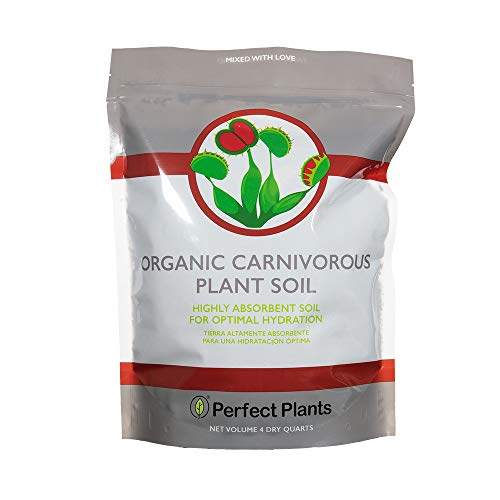
This 4-quart organic mix is designed as a premium growing medium for a range of carnivorous plants, including Venus flytraps, pitcher plants, and sundews. It emphasizes ideal acidity, moisture retention, and drainage tailored to carnivorous needs, with the product produced in the United States by trusted growers.
Care considerations: ensure consistent moisture without waterlogging, monitor pH levels, and pair with species-appropriate pots and watering regimens. This soil aims to support long-term health and robust growth for diverse carnivorous species.
- Organic, acid-balanced blend
- Excellent water management features
- Designed for multiple carnivorous plant types
Venus Fly Trap Plant
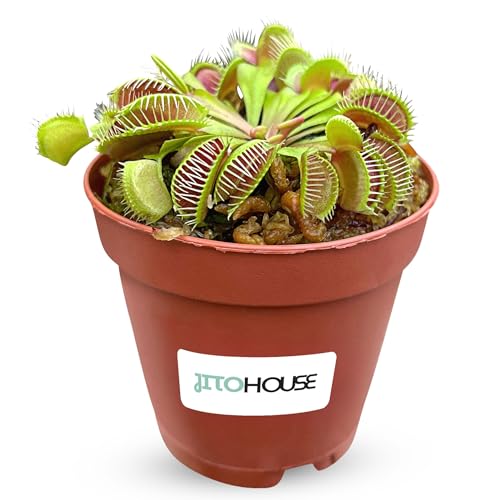
The Venus flytrap from JitoHouse is a pet-friendly, non-toxic indoor plant with a two-inch nursery pot. Known for its rapid trap closure when insects are present, it adds interactive drama to any space while delivering natural insect control. It is suitable for households with pets when kept in safe, non-invading arrangements.
Growing guidance: provide bright, indirect light and consistent moisture using rain or distilled water. Avoid overexposure to direct sun, which can scorch the leaves. This plant is a strong choice for beginners seeking a captivating, low-maintenance carnivore.
- Pet-friendly and non-toxic
- Quick-catching traps for insect control
- Compact, engaging indoor specimen
Miranda Carnivorous Pitcher Plant

The Miranda Nepenthes Miranda offers exotic pitcher plants suitable for indoor cultivation. This Wellspring Gardens starter plant arrives healthy in its pot and is well-suited for bright, indirect light and humid conditions typical of tropical-inspired environments. It provides dramatic, elongated pitchers that attract insects for nutrient intake.
Care essentials: maintain consistent moisture, ensure adequate humidity, and transplant into a larger container as the plant grows. It suits collectors seeking a striking focal point with tropical appeal in home or office spaces.
- Large, vibrant pitchers
- Ideal for bright indirect light and humidity
- Suitable for tropical indoor setups
Buying Guide: Key Considerations For Indoor Carnivorous Plants
Choosing the right carnivorous plant for indoor spaces involves evaluating light, watering, soil, and placement. Here are several perspectives to inform your decision:
- Light requirements: Most carnivores prefer bright, indirect light. Some tolerate high humidity and partial shade, while sundews generally enjoy sunny windowsills. Consider your space’s natural light before selecting a species.
- Water quality: Rainwater or distilled water is recommended to avoid minerals that can accumulate in the soil. Avoid tap water unless it’s proven to be soft and mineral-free.
- Growing medium: Carnivorous plants rely on nutrient-poor soils. Organic, well-draining mixes tailored to their needs help maintain root health and prevent root rot.
- Humidity and temperature: Tropical and subtropical species thrive in higher humidity and warmer temperatures, while hardy sundews may tolerate cooler indoor environments. Plan for a stable microclimate in your chosen spot.
- Container and drainage: Use pots with adequate drainage to prevent waterlogging. Small starter pots are convenient but may require frequent repotting as plants grow.
- Pet considerations: Some varieties are non-toxic to pets, while others may irritate or cause issues if chewed. If you have dogs or cats, prioritize pet-safe options and secure placements.
- Maintenance routine: Regular feeding is not required for many carnivorous plants when grown properly; most rely on catching prey or supplemental feeding sparingly. Avoid overfeeding with nutrient-rich solutions unless specifically designed for carnivores.
- Growth expectations: Pitcher plants and large Nepenthes can grow vigorously and require larger containers over time. Sundews and Venus flytraps often stay more compact but still benefit from occasional repotting.
In summary, indoor carnivorous plants offer a dynamic blend of aesthetic appeal and natural pest management. By selecting species compatible with your light and humidity levels and following basic care guidelines, you can cultivate compelling specimens that thrive year-round.