Choosing the best dollar weed killer involves matching a product to your grass type, climate, and weed pressure. This article reviews top options that target dollarweed among other common broadleaf weeds, with emphasis on Southern and general lawn care. Each selection offers distinct benefits such as long-lasting control, ready-to-use formulations, or concentrated blends for custom mixing. The goal is to present objective, actionable guidance to help American homeowners protect healthy turf while reducing weed impact over time.
| Product | Area Covered | Key Benefit |
|---|---|---|
| BioAdvanced Season Long Lawn Weed Killer + Preventer (10 lb) | Up to 4,000 sq ft | Long-lasting broadleaf and grassy weed prevention |
| Ferti-Lome Dollar Weed Control (17 lb) | Up to 5,000 sq ft | Selectively targets dollarweed and other broadleaf weeds |
| Southern Ag Atrazine St. Augustine Weed Killer (32 oz) | 3,720 sq ft per quart | Optimized for St. Augustine and centipede grasses |
| Ortho WeedClear Lawn Weed Killer Ready-to-Spray | Variable by lawn size | Fast-acting formula kills 250+ listed weeds |
| BioAdvanced Weed Killer For Lawns (Concentrate, 32 oz) | Depends on dilution | Kills broadleaf weeds from the root with minimal lawn harm |
BioAdvanced Season Long Lawn Weed Killer + Preventer

This granular formula is designed for southern lawns and covers up to 4,000 square feet. It targets a broad list of broadleaf weeds, including dandelion, clover, chickweed, dollarweed, and henbit, providing control for up to six months. The product also includes prevention against grassy and broadleaf weeds such as crabgrass and annual bluegrass for up to six months, which helps reduce re-infestation. It’s suitable for St. Augustinegrass varieties and Floratam, making it a practical option for southern climates with warm-season turf.
Application considerations include mowing height, soil moisture, and timing. For best results, apply during active weed growth and follow label directions for application rate per 4,000 sq ft. While it provides extended protection, it should be used as part of an ongoing lawn care routine including proper mowing, watering, and seasonal brightening strategies. This product is framed for homeowners seeking both immediate weed suppression and long-term prevention, making it a balanced choice for southern lawns.
Fertilome Dollar Weed Control

This 17-pound bag is designed to treat up to 5,000 square feet of lawn, focusing on annual, biennial, and perennial broadleaf weeds, including dollarweed, dandelion, chickweed, and clover. The product’s selective herbicide formulation targets these weeds while minimizing harm to established grasses when used as directed. It’s a versatile option for homeowners dealing with mixed weed pressure across larger lawns, offering cost-effective coverage per application.
Label guidance emphasizes precise application rates and surface coverage to avoid lawn stress. Users should assess soil type and irrigation practices prior to treatment. Re-entry intervals and re-application timing are critical for maintaining lawn health. This Fertilome option is suitable for those who want a robust, large-bag solution that supports ongoing weed management without frequent reapplication, provided label directions are followed carefully.
Southern Ag Atrazine St. Augustine Weed Killer

This 32-ounce bottle targets weeds in St. Augustine and centipede grasses, with one quart treating about 3,720 square feet. Atrazine is known for broadleaf and grass weed control in warm-season lawns, offering a practical option for specific grass types where standard products may fall short. The product’s effectiveness relies on correct timing and compatibility with your lawn’s species, soil conditions, and local regulations regarding atrazine use.
Considerations include understanding turf compatibility, potential environmental impact, and the possibility of temporary lawn stress following application. It is most suitable for homeowners managing St. Augustinegrass or centipede lawns who need targeted weed suppression in a defined area, especially when other herbicides have limited results.
Ortho WeedClear Lawn Weed Killer Ready-To-Spray

Ortho WeedClear is a ready-to-spray formula designed to kill dandelion, dollarweed, chickweed, clover, and more without harming the lawn when used as directed. It claims fast results—visible effects within hours—while addressing over 250 listed weeds. This versatility makes it a strong choice for homeowners seeking a convenient, spray-ready option with broad-spectrum efficacy across various turfgrass types.
Important usage notes include ensuring compatibility with your grass species and following the label for safe application around ornamentals, trees, and nearby plants. The fast-acting nature can help homeowners regain lawn uniformity quickly, though repeat applications may be necessary for persistent weed pressure. It’s well-suited for those who want a spray-on solution with broad weed coverage and rapid results.
BioAdvanced Weed Killer For Lawns (Concentrate, 32 oz)

This concentrate targets over 200 broadleaf lawn weeds, including clover, dandelion, and dollar weed, with a focus on root-level control. Concentrates typically require dilution and proper mixing to achieve the desired coverage and potency. The product emphasizes lawn safety, suggesting that one application can handle listed weeds without significant harm to the turf when applied according to label directions.
Best suited for homeowners who prefer a concentrated formulation to customize application rates, this option supports flexible budgeting and coverage. Proper mixing, sprayer calibration, and adherence to re-entry and mowing guidelines are essential to maximize weed kill while maintaining lawn health. It provides a solid balance of efficacy and control for diverse weed challenges in home lawns.
Image Weed Killer Concentrate 32 Oz

This concentrate claims versatile, root-level weed elimination for a range of common lawn weeds, including dandelion, chickweed, clover, dollarweed, and spurge. It offers quick action, with results expected within hours under proper conditions. The product is designed for broadleaf weed control in both established warm-season and cool-season grasses, making it a flexible option for diverse American lawns.
When selecting a concentrate, consider your preferred dilution ratio, spray equipment, and the lawn’s tolerance to herbicides. Proper irrigation after application, risk of over-application, and potential effects on non-target plants should be weighed. This option serves as a practical, scalable choice for gardeners who want a concentrated product with broad weed coverage and responsive performance.
Roundup Weed And Grass Killer Ready-To-Use

Roundup Weed & Grass Killer Ready-To-Use kills tough weeds and grasses at the root, including dandelion, crabgrass, poison ivy, and clover. It offers rain resistance within 30 minutes and visible results in hours, with a flexible window for planting after application (as per the booklet). This product is designed for use around flower beds, trees, and other landscape features, making it a convenient choice for spot treatment and targeted weed control in mixed landscapes.
Users should follow the label for safety, re-entry times, and local guidelines. The Ready-To-Use format is ideal for homeowners who want a straightforward, spray-on solution without mixing. While highly effective for many weeds, it’s important to monitor turf tolerance and avoid over-application to prevent stress on desirable grasses.
Hi-Yield Atrazine Weed Killer
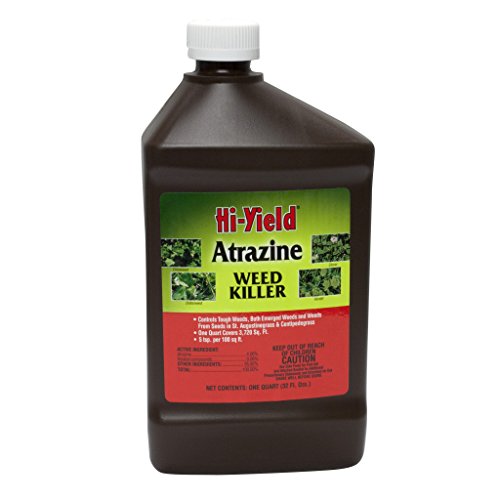
This atrazine-based product targets several common lawn weeds, including annual bluegrass and chickweed. It’s labeled for use in St. Augustine and centipede grasses, providing a targeted option for lawns that fit those turf types. Atrazine is a historically common ingredient for broad weed control in warm-season lawns but requires careful handling and adherence to label directions, including environmental considerations and local restrictions.
As with any herbicide, user expectations should align with grass compatibility and weed spectrum. This option may be most appropriate for homeowners managing specific turf types who need a reliable herbicide with a track record of soil-active performance when applied under suitable conditions and regulatory allowances.
Buying Guide: Key Purchase Considerations And Comparisons
- Weed spectrum: Identify which weeds are present (dollarweed, dandelion, clover, chickweed, crabgrass) and choose a product proven to target those species. Some formulas emphasize broadleaf control, while others include preventive components for re-infestation.
- Lawn type compatibility: Match the product to your grass species (St. Augustine, centipede, Bermuda, fescue, etc.). Certain herbicides work best on warm-season lawns, while others are designed for cool-season varieties.
- Mode of delivery: Consider granules, concentrates, or ready-to-spray formulations. Granules often require watering after application; concentrates need precise mixing, while ready-to-use sprays offer quick, spot treatments.
- Prevention vs. response: Some products provide long-term prevention in addition to immediate control, reducing weed pressure over multiple months. Decide whether ongoing prevention is important for your yard.
- Application timing: Weeds have peak growth periods. Apply when weeds are actively growing and soil conditions are favorable. Avoid drought or extreme heat and follow product-specific timing guidelines.
- Safety and environmental impact: Review label warnings, re-entry intervals, and potential effects on non-target plants, pollinators, or waterways. Use protective gear as required and store safely away from children and pets.
- Reapplication strategy: Some products require reapplication if weed pressure returns. Plan for an integrated approach that combines proper mowing, irrigation, and seasonal fertilization to maximize long-term results.
- Regulatory considerations: Certain active ingredients (like atrazine) have usage restrictions in some areas. Check local regulations and property guidelines before purchase and application.
In evaluating the options, homeowners should weigh immediate results against long-term prevention, turf compatibility, and ease of use. The best choice often depends on lawn species, climate, weed pressure, and the user’s readiness to follow label directions for effective, safe weed control.