Choosing the right ferns for shaded spots can transform dull corners into lush, green retreats. The following selections are known for thriving in low light, moisture, and cooler temperatures typical of shaded patios, borders, and indoor spaces. Each entry highlights why it performs well in shade, along with care notes and what to expect in growth and appearance.
| Product | Brand | Type | Key Benefit |
|---|---|---|---|
| Autumn Fern Plants Live Outdoor Plants | Plants for Pets | Live Fern | Fast-growing, ideal for edging and shaded borders |
| American Plant Exchange Live Autumn Fern | American Plant Exchange | Live Fern | Copper-toned new growth, easy care for shade |
| 3 Japanese Holly Fern | Daylily Nursery | Live Fern | Compact, shade-loving houseplant option |
| TriStar Plants Boston Fern | TriStar Plants | Live Fern | Classic fern with cascading fronds for indoor/outdoor shade |
| Fern Grower’s Manual | Timber Press | Reference Book | In-depth guidance on growing and caring for ferns |
Autumn Fern Plants for Shade and Edging
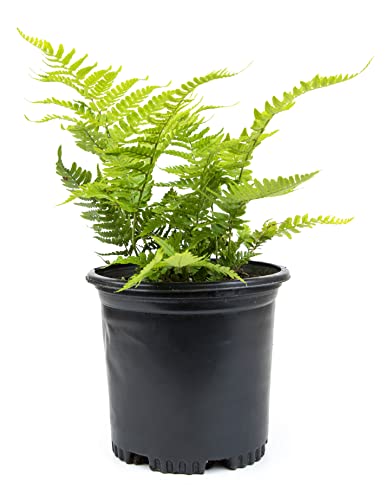
Autumn Fern is a versatile landscaping choice for shaded borders, garden pathways, and ground cover. Sold in a 1-gallon nursery pot, these ferns tolerate partial shade and moist, well-drained soil. They pair well with evergreen shrubs and ground covers to create a cohesive shaded garden vignette. Their fast growth makes them a practical option for those seeking immediate impact without awaiting seed germination. The foliage features the traditional delicate fronds that contribute to a lush, evergreen feel along patios or privacy screens when planted in clusters or contained planters.
Autumn Fern With Copper-Toned New Growth

The Autumn Fern, or Japanese Shield Fern, features coppery-red new growth that matures to green, providing year-to-year visual interest. With native shading tolerance, it thrives in zones 5–9 and prefers moist, slightly acidic soil and partial to full shade. This option is presented as an easy-care choice suitable for patios, woodland gardens, and containers. The included growth habit forms a vase-like clump, creating a refined outline in your shade landscape.
Three Japanese Holly Ferns in 4-Inch Pots

These compact ferns are well-suited for border edging and container displays in shaded areas. While shipping caveats advise monitoring extreme temperatures, the Japanese Holly Fern (Cyrtomium falcatum) generally adapts to indoor shade or outdoor partial shade with consistent moisture. The trio setup provides a ready-made focal point for a woodland corner, a shaded patio edge, or a small terrarium-style display where their lacy fronds can shine.
TriStar Boston Fern In Hanging Basket

The Boston fern (Nephrolepis exaltata) is a staple for shaded indoor spaces and covered outdoor areas. Grown in a 10-inch hanging basket, it provides cascading fronds that create a lush, airy presence. It thrives in bright, indirect light and should be sheltered from direct sun to prevent leaf scorch. This cultivar is ideal for filling vertical space in shade gardens, porches, or indoor corners with steady humidity and consistent watering.
Fern Grower’s Manual

For gardeners seeking in-depth knowledge, the Fern Grower’s Manual from Timber Press covers species identification, care techniques, and propagation methods. While not a live plant, this reference book supports informed decisions about selecting, placing, and maintaining ferns in shade spaces. It’s a valuable companion resource for serious enthusiasts pursuing long-term, sustainable fern landscapes in low-light environments.
Buying Guide: Key Considerations For Shade Ferns
- Light requirements: Most shade-tolerant ferns prefer bright, indirect light or dappled shade. Avoid direct sun, especially in hotter regions, to prevent frond burn.
- Moisture and soil: Ferns generally prefer consistently moist, well-draining, slightly acidic soil. Mulching helps retain moisture and keeps roots cool in warmer months.
- Humidity: Indoor fern health benefits from higher humidity. Consider grouping plants, using a humidifier, or placing containers on a tray with pebble and water.
- Size and growth habit: Plan for mature size and whether you want ground cover, border edging, or vertical interest. Consider whether a hanging basket or container fits your space.
- Care and maintenance: Most ferns benefit from regular pruning of dead fronds, light feeding with balanced fertilizer during the growing season, and consistent moisture management.
- Hardiness and climate: Check hardiness zones where applicable. Some ferns are better suited for indoors or sheltered outdoor spaces in extreme temperatures.
- Availability and sourcing: Opt for reputable sellers with clear shipping guidelines to minimize stress during transit. Consider seasonal planting windows for outdoor specimens.
- Decor and landscape context: Combine ferns with evergreen shrubs, hostas, or ground covers to create layered texture and color variation in shaded areas.
In shade-friendly gardens, ferns add lush texture, delicate fronds, and evergreen color throughout the year. The selections above offer a mix of container-friendly options, border edgers, and classic hanging-display ferns suitable for American climates and indoor spaces alike. For a beginner-friendly approach, start with easy-care varieties like Boston Fern and Autumn Fern, then gradually expand to more specialized ferns as you gain experience with shade gardening.