Choosing the right fertilizer is essential for thriving potted lemon trees. This guide reviews five well-regarded citrus fertilizers, highlighting how they support lush foliage, strong roots, and bountiful fruit. Each product targets citrus-specific nutrition, balancing macro- and micronutrients to suit indoor and outdoor containers. Read on to compare formulations, application tips, and key considerations for selecting the best option for your lemon trees.
| Product | Brand | Form | Key Nutrients Focus |
|---|---|---|---|
| Lemon Tree Fertilizer, Complete Lemon Tree Plant Food | TPS NUTRIENTS | Liquid (8 oz / 250 mL) | N/A (balanced citrus formula) |
| GARDENWISE Professional Citrus Fertilizer | GARDENWISE | Liquid/Concentrate (1/2 Quart) | 6-4-6 style with micronutrients |
| Down To Earth Organic Citrus Mix | Down To Earth All Natural Fertilizers | Dry Granular (1 lb) | 6-3-3 with calcium, sulfur, trace minerals |
| Espoma Citrus-Tone | Espoma | Granular (4 lb) | 5-2-6 with calcium |
| HiThrive Citrus Fertilizer | HiThrive | Liquid (16 oz bottle) | 4-3-6 with micronutrients |
Note: All products are suitable for potted lemon trees, including Meyer lemons. Always follow label directions and start with the lowest recommended dose to avoid over-fertilizing, which can stress container-grown trees.
Lemon Tree Fertilizer, Complete Lemon Tree Plant Food
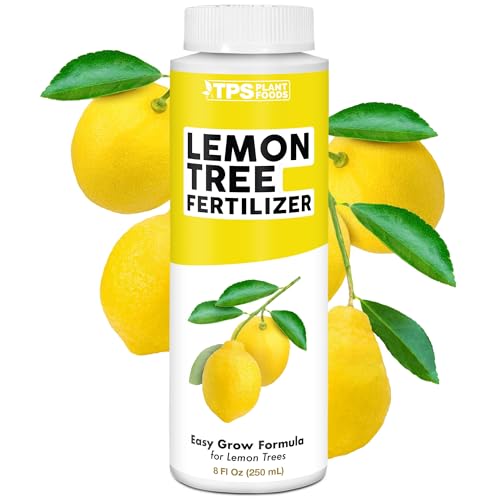
TPS NUTRIENTS offers a liquid citrus formula designed specifically for lemon trees. The instructions are simple: mix 2 tablespoons of the fertilizer per gallon of water and water as usual. The product emphasizes a nutrient-rich blend intended to support healthy vegetative growth and vibrant fruit production. It is noted as particularly suitable for Meyer lemon trees, delivering tailored nourishment that helps maintain lush foliage and a steady harvest across seasons. The concentrate format enables flexible dilution for container use, reducing waste and enabling precise feeding schedules.
GARDENWISE Professional Citrus Fertilizer + Vital Micronutrients

GardenWise combines a balanced NPK formulation with essential micronutrients to support citrus trees across indoor and outdoor settings. Its composition emphasizes growth, flowering, and fruit quality, with 6% nitrogen, 4% phosphorus, and 6% potassium as the core macro nutrients. The micronutrient blend includes magnesium, zinc, copper, iron, and boron, designed to improve chlorophyll production and overall vigor. The product markets itself as a convenient, all-in-one solution that reduces the need for multiple products while delivering sustained nourishment for up to two months per application, making it suitable for regular maintenance of potted citrus trees.
Down To Earth Organic Citrus Mix

This organic citrus mix provides a balanced 6-3-3 NPK ratio and includes calcium, sulfur, iron, and zinc. Its organic sourcing includes feather meal, fish bone meal, alfalfa meal, langbeinite, basalt, potassium sulfate, zinc sulfate, kelp, and humic acids from leonardite. The blend is OMRI-listed for organic use, making it an appealing option for organic or sustainable gardens. For potted lemon trees, this formula supports foliage health, flowering, and fruit through natural nutrients and improved soil biology, which is beneficial for container gardening where soil life plays a bigger role in nutrient availability.
Espoma Citrus-Tone

Espoma Citrus-Tone is an organic option formulated for all citrus trees, including lemons and Meyer lemons, as well as avocado and some nut trees. This 5-2-6 blend includes a calcium enrichment and utilizes Bio-tone beneficial microbes to support soil health. It is designed for late winter pre-bloom, spring post-bloom, and fall applications. The ready-to-use granules simplify feeding with no mixing required, and the formula aims to promote vigorous growth and abundant fruit while maintaining environmental safety and avoiding synthetic sludges or toxins. It is well-suited for container citrus with a steady feeding cycle aligned to seasonal growth phases.
HiThrive 16oz Citrus Fertilizer

HiThrive’s 16-ounce citrus fertilizer makes 16 gallons of citrus plant food with a 4-3-6 NPK ratio plus micronutrients like calcium, magnesium, and zinc. This two-in-one formula focuses on root development, lush foliage, and flavorful fruit, supporting growth for potted lemon trees in indoor and outdoor settings. The fertilizer emphasizes value by expanding into larger batch production while delivering robust nutrition to sustain ongoing fruiting. It is suitable for regular use and offers a balanced approach to nourish both leaves and fruit without overloading the container soil.
Organic Lemon Tree Fertilizer (Organic Liquid)
This organic, slow-release lemon tree fertilizer provides steady feeding for potted citrus. The product emphasizes natural ingredients and kelp enrichment to bolster resilience and overall plant vigor. As a granular or liquid option, it supports ongoing nutrition with gradual nutrient release, reducing the risk of nutrient burn in container soils. Suitable for lemon trees requiring consistent, organic feeding, it helps promote steady leaf growth and fruit development while aligning with organic gardening practices.
Buying Guide: Key Purchase Considerations For Potted Lemon Trees
- Form and application: Choose a product that fits your watering routine and space. Liquids are fast-acting and easy to dilute, while granules provide slow-release feeding ideal for low-maintenance schedules.
- NPK balance: Look for formulations tailored to citrus, typically moderate to high potassium to support fruit quality and stress tolerance. Some products emphasize micronutrients like magnesium, zinc, and iron for robust foliage.
- Organic vs synthetic: Organic blends (e.g., Down To Earth, Espoma Citrus-Tone) align with sustainable gardening and OMRI listings, but may act more slowly. Synthetic or blended organic-synthetic options can deliver faster results but may require careful dosing.
- Container compatibility: Ensure the fertilizer is suitable for potted plants and won’t accumulate to excessive salts. Start with recommended starter doses and scale up gradually if needed.
- Seasonality: Apply according to growth cycles—pre-bloom and post-bloom windows for best results, and adjust feeding frequency in winter when growth slows.
- Additional micronutrients: Some formulations include magnesium, calcium, and trace elements, which support chlorophyll production, fruit set, and stress resilience in containerized trees.
- Cost and value: Compare the ratio of nutrient content to price and consider how long a container needs feeding. Some concentrates offer more gallons per bottle, reducing long-term cost per feeding.
- Environmental considerations: For indoor lemon trees, odor and residue concerns may guide choices toward milder formulas; for outdoor containers, broader soil amendments can be acceptable.