Shade-friendly flowering shrubs can brighten gloomy corners with color and year-round structure. The selections below highlight proven performers that thrive in partial shade, offering seasonal blooms, evergreen foliage, and easy maintenance. Explore five reliable options to add color and texture to shaded landscapes.
| Product | Brand | Plant Type | Key Benefit |
|---|---|---|---|
| Autumn Amethyst Encore Azalea (1 Gallon) | Encore Azalea | Azalea (Evergreen, Shrub) | Warm purple-pink reblooming blooms |
| October Magic Dawn Camellia (2.5 Quart) | Southern Living | Camellia (Evergreen, Shrub) | Double pink blooms with cream highlights in fall |
| Viburnum Spring Bouquet | Florida Foliage | Viburnum (Evergreen, Shrub) | Fragrant pinkish-white clusters in early spring |
| Encore Azalea Autumn Royalty (1 Gallon) | Encore Azalea | Azalea (Evergreen, Shrub) | Reblooming purple flowers throughout warmer seasons |
| Yellow Jane Magnolia Live Plant | Japanese Maples and Evergreens | Magnolia (Shrub/Tree) | Fragrant yellow blooms on a compact size |
Below are five flowering shrubs well-suited to shaded areas, each offering distinctive blooms, textures, and maintenance needs. Details reflect typical performance in partial shade or morning sun with afternoon protection.
Autumn Amethyst Encore Azalea

Autumn Amethyst Encore Azalea is a reblooming evergreen shrub that delivers repeated waves of purple-pink blossoms across multiple seasons. It thrives in zones 6-9 and maintains a compact, 4-foot profile, making it suitable for foundation plantings, mass plantings, and shaded borders. While Encore azaleas generally prefer filtered light, they tolerate partial shade well when provided with consistent moisture. The plant’s evergreen foliage provides year-round structure, with vibrant floral displays emerging in spring, followed by additional bloom cycles in cooler periods. Pruning is generally light and maintenance-friendly to sustain shape and encourage future flowering.
October Magic Dawn Camellia

The October Magic Dawn Camellia combines striking pink double blooms with soft cream accents in a compact, upright form. This evergreen shrub handles part sun to part shade, blooming in early to mid-fall for extended color when many plants are winding down. Mature size reaches roughly 4 to 6 feet tall and 3 to 4 feet wide, offering a bold focal point in shaded courtyards or entryways. Camellias prefer consistently moist, well-drained soil and protection from harsh winter winds. Pruning is minimal, typically after bloom cycles to preserve foliar beauty and future flower potential.
Viburnum Spring Bouquet

Viburnum Spring Bouquet offers fragrant early-spring blossoms and year-round evergreen foliage. This variety is well-suited for hedges, borders, and foundation plantings in shaded zones, delivering dense, compact growth that can tolerate partial shade with proper moisture. The clusters of pinkish-white flowers emerge before leaf-out, producing a refreshing seasonal scent and visual interest. Its evergreen leaves provide structure through the year, and the plant adapts well to mass planting for privacy or decorative backdrop in shade-rich landscapes.
Encore Azalea Autumn Royalty
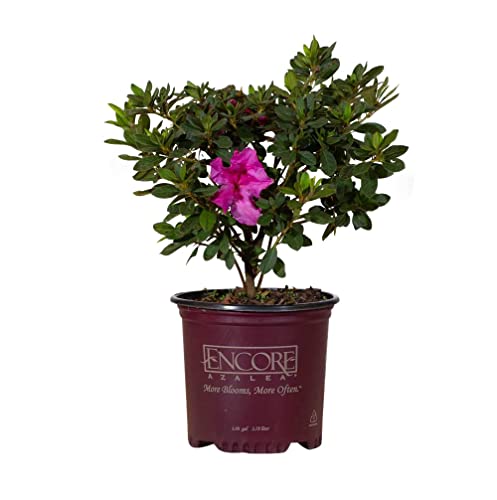
Encore Azalea Autumn Royalty is a reblooming purple azalea known for year-round color. Growing to about 4.5 feet wide and 4 feet high, it forms a dense, evergreen accent that benefits shading beds and mass plantings. Its multiple bloom cycles—spring, summer, and fall—draw butterflies, hummingbirds, and bees, contributing to pollinator-friendly landscapes. It requires minimal pruning and responds well to light shaping after spring flowering. Fall pruning is discouraged to protect next season’s buds, ensuring consistent flowering across seasons in shaded areas.
Yellow Jane Magnolia Live Plant

Yellow Jane Magnolia is a compact, 18-inch live plant that can mature into a striking ornamental shrub or small tree. Featured blooms are fragrant and bright yellow, offering standout color in shaded yards while maintaining a refined silhouette. This cultivar thrives in well-drained soil with exposure to full sun to partial shade, making it adaptable for mixed borders, entryways, and foundation plantings. While magnolias generally prefer steady moisture, they benefit from mulching to regulate soil temperature and moisture during warm spells.
Buying Guide: Key Considerations For Shade-Adapted Flowering Shrubs
- Light tolerance: Look for plants described as tolerating partial shade or morning sun with afternoon protection. In deeper shade, ensure the selection has proven performance with consistent moisture and well-drained soil.
- Bloom season and color: Choose a mix of early, mid, and late-season bloomers to ensure continuous color. Rebloommability, as seen in Encore azaleas, can extend interest across multiple seasons.
- Growth habit and size: Consider mature height and width to avoid crowding nearby structures or plants. Compact shrubs work well for small yards and borders, while larger shrubs can form hedges or focal points.
- Evergreen vs deciduous foliage: Evergreen varieties maintain structure and color year-round, whereas deciduous options provide seasonal interest primarily through flowers and new growth.
- Soil and moisture needs: Ensure soil is well-drained and consistently moist, especially for camellias and magnolias. Mulching helps regulate moisture and soil temperature in shaded beds.
- Maintenance and pruning: Some shrubs require minimal pruning (e.g., Encore Azaleas after bloom), while others benefit from light shaping to encourage flower production without removing buds.
- Pollinator value: Flowering shrubs can attract butterflies, bees, and hummingbirds. Plants with repeated blooms provide extended nectar sources in shaded habitats.
- Hardiness and zone compatibility: Confirm your region falls within the plant’s hardiness zones (e.g., Zones 6–9 for Encore Azaleas) to maximize success and reduce winter injury.
- Plant placement: Position flowering shrubs where their bloom display is visible from windows or desired view angles, and where they receive protective microclimates (east or north exposures with shelter from strong afternoon sun).
These shade-adapted shrubs offer reliable color, fragrance, and structure for darker corners, entryways, and borders. When combined thoughtfully, they create a layered landscape with seasonal charm that remains vibrant across the year.