Creating a pollinator-friendly garden supports bees, butterflies, hummingbirds, and other beneficial insects. The following five products are seed mixes and plants designed to attract pollinators, provide nectar and habitat, and bloom across seasons. Each option offers non-GMO seeds, easy planting, and durable perennial or annual varieties suitable for American gardens.
| Product | Why It Fits Pollinator Gardens | Key Benefit |
|---|---|---|
| HOME GROWN USA Premium 90,000+ Wildflower Seeds Mix | Large, diverse perennial mix for continuous blooms | High seed quantity for meadows or beds |
| Seedboy Wildflowers for Pollinators Seed Mix – 2 oz | 47 varieties, broad zone coverage, drought-tolerant | Versatile, long-season nectar sources |
| HOME GROWN Monarch Butterfly Wildflower Seeds Mix (2oz) | Milkweed and nectar flowers tailored for monarchs | Monarch habitat and pollinator diversity |
| Gardeners Basics Milkweed Seeds (4 Variety Pack) | Milkweed varieties to support monarchs and pollinators | Targeted butterfly host plants |
| Created By Nature Bee & Butterfly Wildflower Seed Mix | 16 annuals and perennials for multi-season color | Non-GMO, USA-sourced seeds for reliability |
HOME GROWN USA Premium 90,000+ Wildflower Seeds Mix

This bulk wildflower mix contains more than 90,000 seeds across 24 perennial varieties. The non-GMO seed blend supports long-term pollinator gardens with bold colors and varied textures. It is designed for direct outdoor sowing and provides a continuous bloom cycle from spring through fall, making it ideal for meadows, cottage beds, and large garden projects. The seeds are suitable for beginners and experienced gardeners alike, with drought tolerance and easy establishment.
Seedboy Wildflowers for Pollinators Seed Mix

Seedboy offers a 2-ounce bulk mix featuring 47 non-GMO wildflower varieties, designed to attract bees, butterflies, and hummingbirds. The blend includes both annuals and perennials suitable for all USDA hardiness zones. Coverage is approximately 250 square feet per pack. The mix emphasizes easy sowing and drought-tolerant plants, promoting resilient pollinator habitats across seasons.
Gardeners Basics Milkweed Seeds for Monarch Butterflies
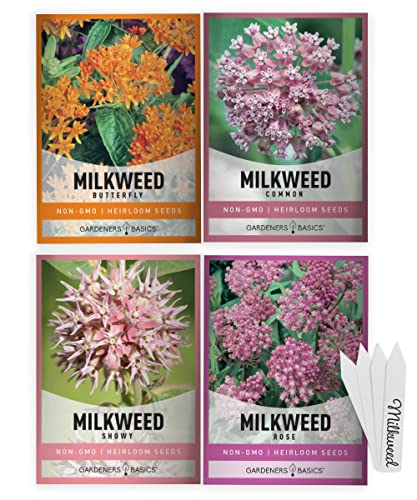
This four-variety milkweed seed set focuses on monarch butterfly habitat. Milkweed is a critical host plant for monarch caterpillars and a key nectar source for adults. The assortment includes rose, showy, common, and butterfly milkweed varieties, offering diverse bloom shapes and colors that attract a wide range of pollinators while supporting butterfly populations.
HOME GROWN Premium Monarch Butterfly Wildflower Seeds Mix

This 2-ounce mix prioritizes monarch-friendly content with over 20,000 wildflower seeds that include milkweed varieties and nectar-rich perennials. The blend supports monarchs and other pollinators by providing both larval hosts and adult nectar. It yields a vibrant meadow or garden bed with blooms across spring to fall and is designed for easy, beginner-friendly sowing and maintenance.
Created By Nature Bee & Butterfly Wildflower Seed Mix

This pollinator seed mix features 16 annual and perennial wildflowers intended to attract hummingbirds, butterflies, and other pollinators. It emphasizes non-GMO seeds sourced in the USA, aiming for high germination and robust biodiversity. The package is designed for easy scattering in sunny to partially shaded areas, with a focus on low-maintenance growth and reliable performance in varied garden conditions.
Buying Guide: Key Pollinator-Friendly Purchase Considerations
When selecting seed mixes or plants for pollinator gardens, consider these factors to optimize outcomes for bees, butterflies, and other wildlife:
- Plant diversity: Choose blends that include nectar and host plants, ensuring continuous blooms across seasons and habitats for different pollinators.
- Non-GMO and USA-sourced seeds: Preference for non-GMO varieties and seeds produced in the USA helps with germination reliability and aligns with sustainable practices.
- Perennials vs. annuals: Perennials provide long-term nectar sources, while a mix of annuals can fill gaps earlier in the season. Plan for both for year-round color.
- Sun exposure and soil: Most pollinator mixes thrive in full sun with well-drained soil. Check individual product guidance for light and soil needs.
- Seed quantity and coverage: Large seed lots offer meadow-like impact but require space. Consider garden size and target coverage per pack to match your project scale.
- Maintenance requirements: Some blends are drought-tolerant and low-maintenance, while others may need regular watering during establishment. Start with clear watering plans.
- Monarch habitat considerations: If monarchs are a focus, include milkweed varieties as larval hosts and ensure nectar sources are plentiful to support all life stages.
- Zone compatibility: Verify hardiness zones and regional climate compatibility to maximize germination and survival rates across seasons.
- Wildlife-friendly design: Group nectar-rich plants in clusters, plant in sheltered beds to protect from strong winds, and avoid chemical pesticides that harm pollinators.
These products collectively offer a spectrum of pollinator-friendly options, from bulk wildflower mixes to targeted butterfly and monarch habitats. Evaluate your garden size, climate, and maintenance preferences to choose a combination that provides aesthetic appeal while supporting pollinator health and biodiversity.