Choosing the right ground cover fabric can dramatically reduce weeds while maintaining soil health and moisture. This article explores durable options, focusing on heavy-duty, woven and non-woven fabrics that balance weed suppression with permeability. Below you’ll find five top-rated products, each with practical use cases for gardens, driveways, and landscaping projects. A concise buying guide follows to help you compare durability, permeability, installation ease, and price considerations.
Summary of chosen products
- Pterying 6.5ft x 300ft Weed Barrier Landscape Fabric — Long-lasting polypropylene, highly permeable for soil moisture and root health.
- LGJIAOJIAO 3ft x 50ft Weed Barrier Landscape Fabric — Durable 3.2oz woven geotextile with good weed suppression and water flow.
- HOOPLE 3ft x 30ft Heavy Duty Weed Barrier — Commercial grade, easy to cut, high permeability, promotes soil respiration.
- Cahomo Non-Woven Thick Weed Barrier Fabric 3ft x 100ft — Double-layer design for durability and efficient weed control.
- iropro 3ft x 300ft Weed Barrier Landscape Fabric — Space-saving, strong tar to resist tears, air and water permeability.
Pterying Premium Ground Cover For Gardens
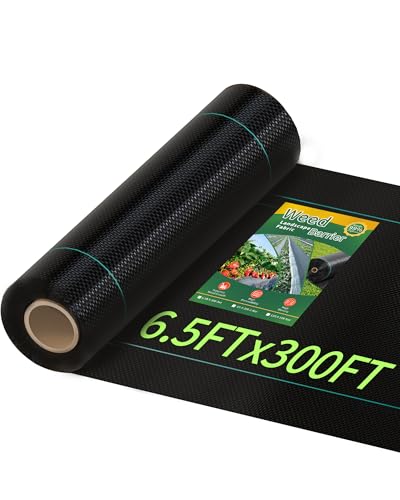
Pterying’s 6.5ft x 300ft landscape fabric uses high-premium polypropylene to deliver long-lasting weed suppression. Its permeability supports rain and irrigation diffusion into the soil, maintaining moisture while allowing air exchange to promote root health. The green-stripe design aids alignment, and the fabric can be easily cut to fit irregular garden shapes.
LGJIAOJIAO Heavy Duty Weed Barrier
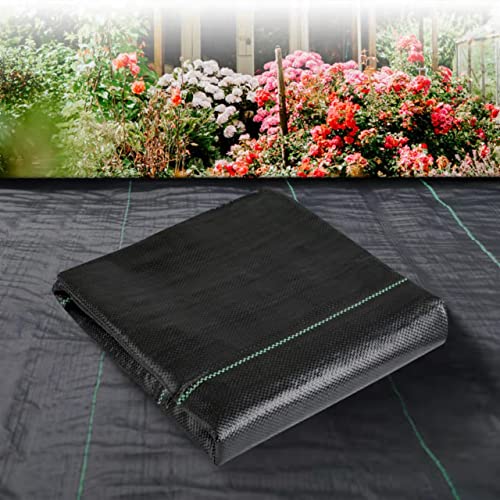
LGJIAOJIAO offers a 3ft x 50ft heavy-duty woven geotextile fabric. The 3.2oz material balances strength and flexibility with high tear resistance. It supports water and nutrient flow while blocking weeds, making it suitable for underlayment, driveways, and garden beds. It withstands wind and foot traffic with durable polypropylene construction.
HOOPLE Commercial Grade Weed Barrier

HOOPLE provides a 3ft x 30ft heavy-duty, non-woven landscape fabric designed for weed control, garden beds, driveways, and erosion prevention. It emphasizes easy rolling, cutting, and installation, with high permeability to air and water to sustain root respiration and plant health over time.
Cahomo Non-Woven Thick Weed Barrier

The Cahomo 3ft x 100ft fabric features a durable double-layer non-woven structure. It blocks sunlight to inhibit weed growth while featuring small holes that help water and nutrients reach the soil. This makes it a solid option for long-term weed suppression with a focus on environmental considerations and durability.
iropro 3ft x 300ft Weed Barrier

iropro offers a long 300ft length and a robust 3.2oz woven fabric. It emphasizes space-saving folded storage options, with good air and water permeability to support soil health. The material is designed to resist tearing and endure exposure to sun and weather, suitable for large landscaping projects and commercial use.
Buying Guide: Key Purchase Considerations
When selecting a ground cover fabric, consider these factors to ensure the best fit for your project:
- Weed suppression vs. permeability: Heavier fabrics block more light but may reduce water and air movement. Look for a balance that suits your plants and climate.
- Durability and weather resistance: For outdoor use, choose fabrics with tear resistance and UV stability to extend life in sun and rain.
- Material type: Woven geotextile fabrics generally offer strong tear resistance and permeability, while non-woven options excel at easy installation and high soil interaction.
- Width and length: Match fabric coverage to your area. Wider rolls reduce seams, while longer lengths cover large spaces with fewer joints.
- Ease of installation: Green alignment guides, cut-to-fit features, and included stakes or pegs can save time and effort during setup.
- Compatibility with mulch and edging: Consider how the fabric pairs with mulch types and edging to prevent weed penetration at borders.
For best results, combine weed barrier fabric with appropriate mulch, proper trimming, and annual maintenance. In areas with heavy rainfall, ensure the fabric supports drainage and does not create waterlogging. For dry climates, verify that water-permeable designs allow sufficient hydration to roots while suppressing weeds.