This guide highlights the best milkweed options to support monarch butterflies and other pollinators. Below are five carefully selected seeds blends and single-variety milkweeds, chosen for ease of growing, longevity, and ecological value. Each profile includes the key features that help monarchs thrive, from larval host habitat to nectar sources for adults.
| Product | Brand | Why It Stands Out |
|---|---|---|
| HOME GROWN Premium Monarch Butterfly Wildflower Seeds Mix (2oz) | HOME GROWN | Large seed mix with milkweed and nectar flowers; long season color; easy to grow |
| Seed Needs Milkweed Seeds (5 Packets) | Seed Needs | Multi-variety milkweed assortment to support monarch life cycle |
| HOME GROWN Milkweed Flower Seeds (5 Varieties) | HOME GROWN | Perennial native milkweeds; zone-wide compatibility; supports monarch habitat |
| Sow Right Seeds – Common Milkweed Seeds | Sow Right Seeds | Non-GMO, easy germination; classic monarch host plant |
| Survival Garden Seeds – Showy Milkweed Seeds | SURVIVAL GARDEN SEEDS | Native showy milkweed with drought tolerance and pollinator appeal |
Note: The selections emphasize monarch host plants (milkweed) plus nectar sources. They are suitable for various climates and garden sizes, from small beds to larger pollinator patches.
HOME GROWN Premium Monarch Butterfly Wildflower Seeds Mix

POLLINATOR PARADISE: This mix contains over 20,000 wildflower seeds designed to create thriving monarch habitats, bees, and hummingbirds. It blends butterfly weed, milkweed, and perennial wildflower seeds to deliver a vibrant, long-lasting display. SEASON-LONG COLOR DISPLAY ensures blooms from spring through fall in orange, purple, yellow, and white tones. EASY GROWING EXPERIENCE: Seeds germinate in 7-14 days. Simply broadcast, lightly rake, and water—great for beginners and seasoned gardeners alike.
Seed Needs Milkweed Seeds Collection
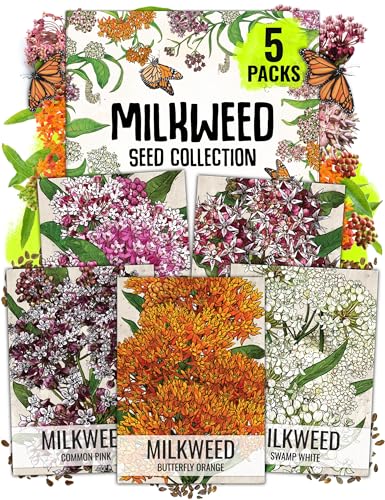
Pollinator Attraction: Includes nectar-rich milkweed varieties that invite bees, butterflies, and hummingbirds. Monarchs rely on milkweed for egg-laying and larval development. 5 Packets provide Showy, Pink Swamp, White Swamp, Orange Butterfly, and Common Milkweed seeds to diversify host plants. Ecological Importance: Milkweed supports monarchs by offering both foliage for larvae and nectar for adults; biodiversity benefits extend to other pollinators.
HOME GROWN Milkweed Flower Seeds — 500+ Perennial Varieties

SUPPORTS MONARCH BUTTERFLIES & POLLINATORS: Common Milkweed is a critical host plant for monarch caterpillars and provides nectar for bees and butterflies. PERENNIAL NATIVE WILDFLOWER: Returns year after year with minimal care and thrives in USDA Zones 3–10. EASY TO GROW IN FULL SUN: Plant in well-drained soil with direct sun; typically reaches 2–4 feet tall and blooms summer through fall, making it a reliable long-term habitat.
Sow Right Seeds – Common Milkweed Seeds

Monarch Butterfly Habitat: Provides a robust host plant for monarchs, with pink star-shaped flowers that attract pollinators. Productive germination: Milkweed typically germinates in 10-15 days at warm soil temperatures, with plants reaching 3-4 feet tall. Plant 18-24 inches apart in full sun; seeds are suitable for zones 3-8. Pollinator Friendly: Milkweed supports a wide range of pollinators and can self-seed, enhancing long-term garden value.
Survival Garden Seeds – Showy Milkweed Seeds
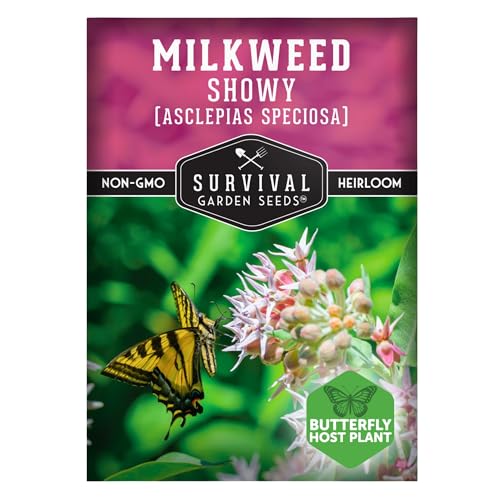
NATIVE NORTH AMERICAN SHOWY MILKWEED: Heirloom, non-GMO open-pollinated Asclepias speciosa with strong germination and adaptation to USDA zones 3-9. Monarch Butterfly Host: Serves as a crucial larval host plant, supporting monarchs, bees, and other pollinators. Drought-Tolerant: Perennial with low water needs once established, featuring pink-purple blooms from June to September and a pleasant scent that attracts pollinators. Ideal for prairie restoration and butterfly borders.
Buying Guide: Key Considerations For Selecting Milkweed Seeds
- Monarch life cycle support: Choose milkweed varieties that are native to your region and known to be good host plants for monarch caterpillars, such as common milkweed and showy milkweed.
- Native versus mixed blends: Native single-species milkweed often performs best in local soils. Mixed wildflower blends add nectar sources for adults and attract a broader range of pollinators.
- Germination and growing conditions: Look for seeds with clear germination times and zone compatibility. Some varieties tolerate drought, while others thrive in moist soils.
- Perennial versus annual: Perennial milkweeds provide long-term habitat with less maintenance, though establishment may take longer. Annuals are quicker to fill spaces but require replanting.
- Garden design: Plan for a balance between larval host plants (milkweed) and nectar sources. Group plantings can create dramatic monarch corridors in urban and rural gardens alike.
- Planting instructions: Follow depth, spacing, and sun exposure guidelines. Many varieties prefer full sun and well-drained soil for optimal growth and blooming.
- Conservation context: Using non-GMO, open-pollinated seeds can support genetic diversity among wild populations and encourage natural propagation.
- Maintenance considerations: Choose drought-tolerant varieties if water is limited. Mulching and regular watering during establishment help success rates.
- Seed packaging and instructions: Favor seeds with clear planting instructions, germination rates, and any stratification requirements to maximize germination success.
- Pollinator ecosystem: A diverse combination of milkweed species and nectar plants supports a wider pollinator community beyond monarchs, including bees and hummingbirds.