Raised bed gardening benefits from a soil mix that balances moisture retention, aeration, and nutrients. The following selections are tailored to raised beds and containers, offering organic options, eco-friendly fibers, biochar, and worm-rich blends. Each choice supports robust root growth, improved drainage, and microbial activity essential for vegetable, herb, and ornamental plant success. Read on for concise product highlights and a practical buying guide to help you compare textures, ingredients, and long-term performance.
| Product | Brand | Key Benefit | Format |
|---|---|---|---|
| Espoma Organic Raised Bed Mix | Espoma | Organic ingredients with mycorrhizae for strong roots | 1.5 cu ft |
| Verdana Coco Coir Potting Soil Brick | Verdana | Peat-free, excellent drainage and water retention | 10 lb brick expands to 18 gal |
| Soil Builder Raised Bed Mix | Wiggle Worm | Worm castings for nutrient-rich soil | 3 bags of 40 lb |
| Michigan Peat Garden Magic Potting Soil | Garden Magic | Moisture retention with perlite blend | 40 lb (6 pack) |
| Wakefield Biochar Blend with CarbonBoost | Wakefield Biochar | Biochar for aeration and microbial activity | 2 qt |
Espoma Organic Raised Bed Mix for Veggies

Espoma’s Raised Bed Mix is designed for organic vegetable and herb gardening in raised beds and outdoor containers. The blend combines natural and organic ingredients with earthworm castings, alfalfa meal, kelp meal, and feather meal, aimed at long-term soil health. The product also includes MYCO-TONE, a proprietary mix of endo and ecto mycorrhizae to bolster root systems and nutrient uptake. This versatile option suits gardeners seeking an all-natural base that supports vigorous plant growth in elevated beds.
Verdana Coco Coir Potting Soil Brick

This Verdana brick is a peat moss alternative made from coconut coir. It expands with water to a large volume (18 gallons) when hydrated, making it ideal for seed starting, raised beds, containers, and organic gardening. Coir improves drainage and aeration while retaining moisture, helping root health without compacting soil. It’s a sustainable option for gardeners seeking a water-efficient, renewable material that reduces peat dependence.
Soil Builder Raised Bed Mix

This option by Wiggle Worm features a worm castings-based blend marketed as ready-to-use for raised beds and planters. It emphasizes a microbe-rich environment with worm eggs and castings designed to supply gradual, natural fertilization. The product is packaged in bulk bags, reducing overall cost for larger beds. Users should expect some variability in worm eggs and castings colors, which is typical for worm-derived soils.
Michigan Peat Garden Magic Potting Soil

Garden Magic’s potting soil blend combines peat, perlite, and other amendments to support moisture retention and drainage. Marketed as versatile for lawns, beds, and raised planting areas, it provides a balanced base for container gardening and garden beds alike. The 40-pound bags are positioned for both home gardens and smaller-scale landscape projects, offering reliable performance across various raised bed configurations.
Wakefield Biochar Blend with CarbonBoost

Wakefield Biochar blends premium biochar with a CarbonBoost technology to enhance aeration, porosity, and microbial activity. It emphasizes superior water and nutrient retention, reducing irrigation needs while improving root vigor. The blend is designed for raised beds, containers, and general garden soil, offering a soil-building option for gardeners pursuing long-term soil fertility and a robust microbial ecosystem.
Purple Cow Organics Raised Bed Mix
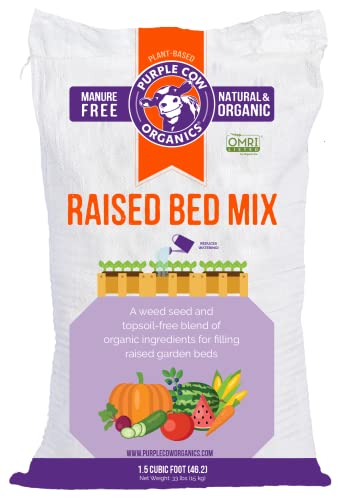
Purple Cow Organics offers an OMRI-listed raised bed mix that is plant-based and free from topsoil and weed seeds. This blend supports safe cultivation of vegetables, herbs, and fruits with a focus on nutrient-dense yields. The mix emphasizes a clean, organic foundation suitable for leafy greens, root crops, and flowering plants in raised beds and containers.
Buying Guide: Key Purchase Considerations
- Organic certification and inputs: Look for OMRI listings or clearly stated organic ingredients if you prefer chemical-free soil.
- Drainage and water retention: For raised beds, balance moisture retention with aeration; coco coir and biochar blends often improve both.
- Mycorrhizal fungi: Some mixes include mycorrhizae to boost root systems and nutrient uptake; consider if you want stronger early growth.
- Worm casts and natural amendments: Worm-based blends enrich microbial life and slow-release nutrients but may vary in texture and color.
- Volume and packaging: Raised-bed projects vary in size; check bag weights and expandability (e.g., coir bricks expanding to large volumes).
- Versatility: If you plan to grow vegetables, herbs, and ornamentals, choose a mix labeled suitable for multi-use or specifically for raised beds.
- Durability over seasons: Some blends are better for long-term soil structure, while others excel for fresh plantings in the season.
Comparison Considerations
- Texture and feel: Coarse blends promote drainage; finer mixes hold moisture longer. Your climate and bed depth influence preference.
- Amendment balance: Look for blends that pair organic matter with mineral components like perlite, sand, or perlite for structure.
- Long-term fertility: Worm castings and biochar contribute to ongoing fertility and microbial health, not just immediate nutrients.
- Environmental impact: Peat-free or coconut coir options reduce reliance on peat and support sustainable gardening practices.
- Cost efficiency: Multi-pack options may lower cost per bag for larger beds; assess long-term value against needs.