Choosing the right organic garden soil can transform plant health, yield, and overall garden resilience. This guide reviews top organic soil blends and potting mixes ideal for American gardens, focusing on peat-free formulations, nutrient content, moisture control, and suitability for containers and raised beds. Whether you’re growing herbs, vegetables, or ornamental blooms, these selections aim to balance environmental impact with reliable performance.
| Product | Type | Best For |
|---|---|---|
| Back to the Roots 100% Organic Potting Mix | Potting Mix | Containers, herbs, vegetables |
| Garden Magic Organic Potting Top Soil | Top Soil Blend | Indoor & Outdoor planting |
| Burpee Premium Organic Potting Mix | Potting Mix | Containers, herbs, vegetables |
| Miracle-Gro Organic Outdoor Potting Mix | Potting Mix | Outdoor containers |
| Espoma Organic Raised Bed Mix | Raised Bed Soil | Raised beds, organic gardening |
Back to the Roots 100% Organic Potting Mix
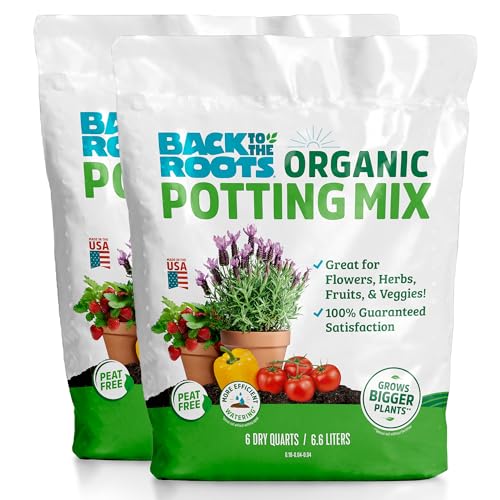
- 100% Organic and Peat-Free: Made from upcycled plant matter and wood fines across the U.S. Reduce reliance on imported peat and lower carbon footprint.
- All-Purpose Use: Versatile for herbs, veggies, fruits, and flowers; suitable for containers and garden beds.
- Moisture Control and pH Balance: Includes yucca extract for moisture management and dolomitic limestone for balanced pH.
Garden Magic Organic Potting Mix

- Ready-to-Use for All Planting Needs: General-purpose blend suitable for indoor and outdoor planting with no extra prep required.
- Optimal Moisture Retention & Drainage: Engineered to drain excess water while retaining moisture for steady growth.
- High-Quality Soil Blend: Dark mix containing reed sedge peat, perlite, and sand to support soil structure and plant health.
Burpee Premium Organic Potting Mix

- All-Natural Mix: Formulated with plant food and coconut coir to promote seed and root growth; OMRI Listed for organic use.
- Perfect for Containers: Designed for containers or raised beds; provides fast feeding and slow-release nutrients for up to 3 months.
- Moisture Retention: Coconut coir helps hold the right water balance for indoor/outdoor pots, supporting consistent growth.
Miracle-Gro Organic Outdoor Potting Mix

- Contains Quick-Release Natural Fertilizer: Feeds plants for up to 2 months to support growth in outdoor containers.
- OMRI Listed: Compliant with organic standards; peat sourced from certified producers.
- Versatile Use: Suitable for flowers, vegetables, herbs, annuals, and perennials in outdoor containers.
Espoma Organic Raised Bed Mix

- Two-Packs for Raised Beds: Ideal for raised garden beds and outdoor containers with organic gardening in mind.
- Contains Earthworm Castings & Nutrients: Enriched with earthworm castings, alfalfa meal, kelp meal, and feather meal.
- MYCO-TONE: Proprietary blend of endo and ecto mycorrhizae to enhance root development and nutrient uptake.
Espoma Organic Vegetable & Flower Garden Soil

- For Planting and Transplanting: Improves native soil with organic components for vegetables and flowers.
- Earthworm Castings Rich: Adds beneficial nutrients and microbial life to support plant health.
- Contains Natural Organic Ingredients: A balanced blend designed for in-ground planting and transplanting success.
Buying Guide: Key Purchase Considerations
- Organic certifications and ingredients: Look for OMRI-listed products when you aim for certified organic gardening. Peat-free options reduce environmental impact and improve sustainability.
- Application type: Potting mixes are ideal for containers and raised beds, while raised bed mixes are formulated to improve soil structure in in-ground beds. Choose based on your garden layout.
- Moisture management: Materials like coconut coir and yucca extract aid moisture retention, while perlite and sand aid drainage. Match moisture behavior to your climate and plant needs.
- Nutrient delivery: Some blends include slow-release nutrients or natural fertilizer to support growth over weeks to months. Consider the needs of your plants (vegetables vs ornamentals) and whether you prefer pre-fertilized options.
- Soil biology and mycorrhizae: Soils with earthworm castings and mycorrhizal fungi can improve nutrient uptake and root development, especially for transplants and new plantings.
- Environmental impact: Peat-free options help protect peatlands and reduce carbon emissions. Evaluate the sourcing and processing of the mix.
- Container vs in-ground use: Container mixes typically prioritize weight and drainage, while raised bed and in-ground soils focus on structure and microbial life to support extended root systems.
- Longevity and maintenance: Some blends feed plants for several weeks, while others require additional fertilization. Plan your care schedule around the product’s nutrient release.