Choosing the right organic soil mix is essential for healthy vegetable plants, whether you’re growing in containers or raised beds. The following selections emphasize organic ingredients, moisture retention, and nutrient delivery to support roots from seed to harvest. Each option below is suitable for vegetables, with several also ideal for herbs and flowers. Use this guide to compare texture, longevity, and container compatibility to find the best match for your garden setup.
Summary of selected products:
| Product | Brand | Key Benefit | Container Friendly |
|---|---|---|---|
| Burpee Organic Premium Potting Mix | Burpee | OMRI Listed, moisture retention with coconut coir | Yes |
| Miracle-Gro Organic Outdoor Potting Mix | Miracle-Gro | Quick-release fertilizer, feeds up to 2 months | Yes |
| Espoma Organic Raised Bed Mix | Espoma | Earthworm castings, mycorrhizae for better roots | Yes |
| Coast of Maine Organic & Natural Planting Soil | Coast of Maine | Balanced moisture and drainage for tomatoes | Yes |
| Back to the Roots Organic Coir 51 Quart Expanding Soil | Back to the Roots | Expands to 2+ cu ft, peat-free | Yes |
Burpee Organic Premium Potting Mix

All-Natural Mix: Burpee Organic Premium Potting Mix combines plant food with coconut coir to promote seed and root growth for vegetables, flowers, and herbs. It is OMRI Listed for organic use. This mix is designed for container gardening or raised beds, providing immediate plant feeding and a slow-release option for up to three months. The coconut coir helps retain moisture, supporting indoor and outdoor potted plants between waterings.
Miracle-Gro Organic Outdoor Potting Mix

Organic and Quick-Release Fertilizer: Miracle-Gro Organic Outdoor Potting Mix contains a quick-release natural fertilizer and provides feeding for up to two months. The mix is made with peat sourced from certified producers and is suitable for all outdoor container plants, including flowers, vegetables, herbs, annuals, and perennials. It is designed to support robust vegetative growth while maintaining a sustainable sourcing profile.
Back to the Roots 100% Organic Potting Mix (Value 12 Quart)
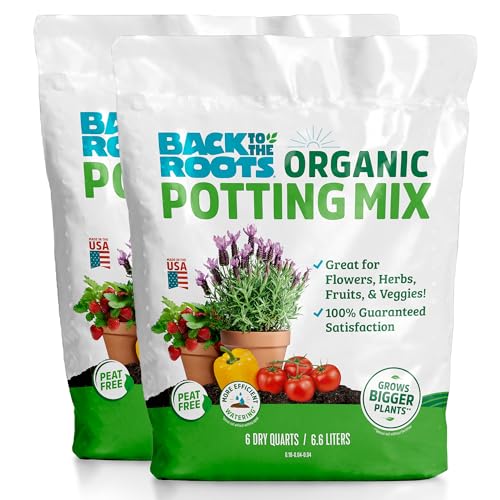
100% Organic and Peat-Free: This potting mix is peat-free, made from upcycled plant material and wood fines across the U.S. The product is versatile for herbs, vegetables, fruits, and flowers. It includes moisture-control features and pH balancing using yucca extract and dolomitic limestone, aimed at providing reliable performance in various planting scenarios. It’s proudly made in the USA and designed to reduce environmental impact while supporting healthy plant growth.
Espoma Organic Raised Bed Mix

All-Natural For Raised Beds: Espoma Organic Raised Bed Mix is designed for raised garden beds and outdoor containers. It blends natural ingredients such as earthworm castings, alfalfa meal, kelp meal, and feather meal, and includes MYCO-TONE, a proprietary mix of endo and ecto mycorrhizae. This combination supports nutrient uptake and robust root systems for vegetables and herbs grown in organic beds.
Espoma Organic Seed Starter Premium Potting Soil Mix

Seed Starting Excellence: This organic seed starting mix combines sphagnum peat moss and perlite with yucca extract and lime to ensure proper pH. It includes MYCO-TONE mycorrhizae to support strong root development. Ideal for germinating flowers, vegetables, and herbs, and suitable for rooting stem and leaf cuttings during early growth stages.
Coast of Maine Organic Planting Soil for Vegetables & Tomatoes

Premium Organic Compost Blend: This soil is designed to balance moisture retention and drainage, supporting abundant growth for tomatoes and vegetables. It is versatile for seeding, transplanting, or topping off in-ground beds and containers, with a focus on lightweight structure and sustainable ingredients.
Back to the Roots Organic Coir Expanding Soil

Coir-Based, Expanding Soil: This 51-quart expanding soil is peat-free and OMRI-listed, suitable for seeds, seedlings, and potting. It expands when mixed with water to create a versatile growing medium that supports a wide range of vegetables, herbs, and flowers while maintaining an all-purpose pH balance.
Buying Guide: Key Purchase Considerations And Comparisons
When evaluating organic soils for vegetables, consider texture, nutrient delivery, and moisture management. Here are essential factors to weigh:
- Organic certification: Look for OMRI Listing or equivalent to ensure products meet organic standards in the U.S., especially for edible crops.
- Moisture retention: Coconut coir and peat blends influence how often you water. Coir tends to hold moisture longer, which can reduce the frequency of irrigation in containers.
- Nutrient profile: Some mixes include slow-release fertilizers or readily available nutrients. For seedlings, a lighter mix with balanced nutrients helps establishment; for established plants, a blend with mulch-like organic matter supports continued growth.
- Mycorrhizae and beneficial microbes: Mycorrhizal fungi improve root efficiency and nutrient uptake, particularly in raised beds and stressed soils. Consider blends that include MYCO-TONE or similar inoculants.
- Texture and particle size: Fine blends are better for seed starting; coarser mixes support strong root penetration in established transplants. Container gardening often benefits from a well-draining, well-aerated mix.
- Environmental impact: Peat-free options reduce ecological footprint and support sustainable gardening practices. Consider mixes that use alternative base materials like coconut coir or composted plant material.
- Application versatility: If you garden in both containers and in-ground beds, a universal mix or a peat-free option that expands well with water can simplify maintenance.
Product selection strategies reflect different gardening goals. For beginners or small containers, a blend with moisture retention and a mild nutrient load helps prevent over-fertilization. Gardeners aiming for raised beds may prioritize earthworm castings and mycorrhizae for robust root systems. For seed starting, nutrient balance and pH stability are crucial, making seed-starter blends a preferred choice. In all cases, verify the product’s organic integrity and suitability for vegetables to ensure safety and optimal growth.