Pests like thrips can threaten the health and appearance of many plants. This article highlights five effective, user-friendly products that target thrips and related pests, offering options for organic and conventional gardening. Each product section explains how the formula works, suitable use cases, and key considerations to help you choose the right solution for your garden or indoor plants.
| Product | Brand | Type | Notes |
|---|---|---|---|
| Safer 5118-6 Insect Killing Soap Concentrate | Safer | Insecticidal Soap | Killer for thrips, aphids, whiteflies; OMRI listed for organic use |
| Trifecta Crop Control Ready to Use | Trifecta | Natural Pesticide, Fungicide, Miticide | Broad-spectrum plant protection, safe for edible crops |
| AgroMagen GrowSafe Bio-Pesticide | AgroMagen | Miticide, Fungicide, Insecticide | All-natural ingredients; safe for organic gardening |
| Humboldts Secret Flower Shield | Humboldts Secret | Insecticide, Pesticide, Fungicide | Resistance-friendly, broad plant defense |
| Atticus Piston TR Greenhouse Fogger | Atticus | Total Release Fogger | Fast knockdown; good coverage for under-leaf pests |
Safer 5118-6 Insect Killing Soap Concentrate
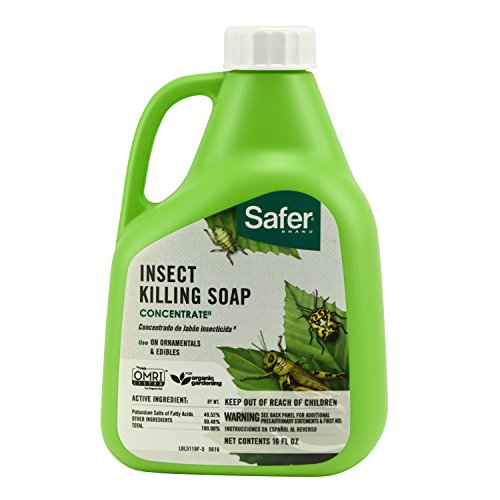
Safer 5118-6 Insect Killing Soap Concentrate is an insecticidal soap designed to control soft-bodied pests, including thrips, aphids, whiteflies, and spider mites. The product is formulated to be gentle on many plants when used as directed, making it suitable for flowers, herbs, vegetables, houseplants, lawns, trees, and shrubs. The concentrate can be applied throughout the growing season, with frequent applications (every 5-7 days) while pests are present. It is noted for use up until the day of harvest, which can help protect crops without delaying harvest.
Key considerations: Insecticidal soaps work by contacting pests on contact and may be more effective on younger, soft-bodied insects. They are generally non-residual and minimize harm to beneficial insects when used as directed. Always test on a small leaf area first to check for phytotoxicity on sensitive varieties and follow label directions for dilution and spray timing.
Trifecta Crop Control Ready to Use Maximum Strength
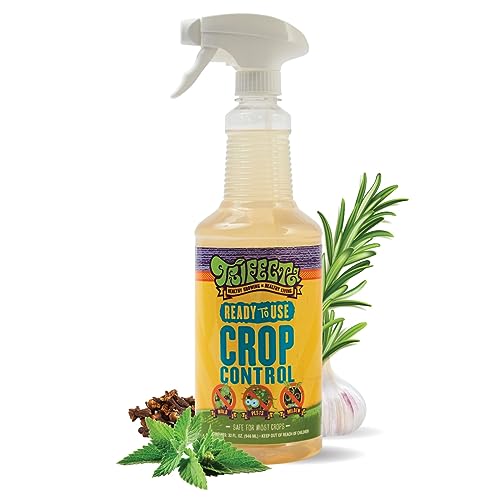
Trifecta Crop Control Ready to Use is a multi-action formula combining natural pesticide, fungicide, and miticide capabilities. It targets spider mites, aphids, whiteflies, powdery mildew, Botrytis, and other pests while remaining safe for many edible crops. The biodegradable, eco-friendly composition aims to minimize chemical residues and support organic gardening. The product emphasizes a fast, no-residue spray that dries quickly, allowing safe application in homes, gardens, and commercial operations. This makes it a versatile option for indoor plants, outdoor gardens, and fruiting crops.
Considerations: While it provides broad coverage, effectiveness can depend on pest pressure and proper coverage of both the tops and undersides of leaves. Regular applications may be needed during ongoing infestations, and always follow the label for dilution and spray timing to preserve plant health and environmental safety.
AgroMagen GrowSafe Bio-Pesticide

GrowSafe Bio-Pesticide from AgroMagen is built around all-natural, organic ingredients designed for effective miticide and fungicide action. It focuses on mites (including two-spotted and russet mites), whiteflies, aphids, powdery mildew, and downy mildew. The formula emphasizes non-toxic, food-based components that are easier on plants and the environment while delivering pest control. The product blends well with water and is designed to avoid leaf burning and flavor changes, supporting organic growing practices in home gardens, greenhouses, and outdoor plots.
Considerations: As with many organic formulations, performance can vary with pest life stage and population size. Consistent applications and thorough coverage—especially on undersides of leaves—enhance effectiveness. Check compatibility with other products in your regimen to avoid any potential phytotoxic or interaction issues on sensitive crops.
Humboldts Secret Flower Shield
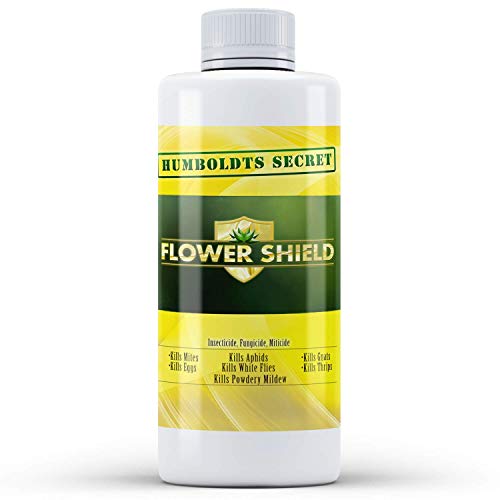
Flower Shield from Humboldts Secret is a comprehensive defense system that combines insecticidal, fungicidal, and miticidal action. It targets spider mites, thrips, aphids, whiteflies, and powdery mildew, offering a broad protective blanket for indoor and outdoor plants. The EPA 25(b) exempt formula relies on safe ingredients like corn oil and surfactants, aiming to minimize risk while delivering effective knockdown and preventive control. The product recommends weekly applications for ongoing protection or as a knock-down treatment during pest pressure, making it adaptable for various growth stages.
Considerations: While designed to be safe for home gardens, always test on a small plant area first to confirm there is no phytotoxic response. Consistent application schedules and integration with a broader IPM (Integrated Pest Management) plan enhance results and help prevent pest rebound or resistance.
Atticus Piston TR Greenhouse Fogger

The Piston TR Greenhouse Fogger from Atticus uses a 4.5% chlorfenapyr formulation to provide rapid knockdown of mites, thrips, and other pests within about 72 hours. This total-release fogger delivers billions of micro-sized particles for complete coverage, including hard-to-reach undersides of leaves. It is labeled for use on fruiting vegetables, flowering plants, and ornamentals, offering flexibility for both indoor and outdoor settings. The fogger approach makes it suitable for large-area treatments where spray access is limited or where rapid, broad coverage is required.
Considerations: Foggers can deliver a high concentration of active ingredient in a short time, so follow the label carefully to avoid harming beneficial insects and pollinators. Use in well-ventilated areas and rotate with other modes of action to mitigate resistance development in pest populations.
Buying Guide: Key Considerations For Thrips Control
- Pest specificity and spectrum: For thrips, products that cover related pests like spider mites and whiteflies can be beneficial, as thrips often co-occur with these pests. Consider whether you need a targeted or broad-spectrum solution depending on your pest pressure.
- Mode of action: Insecticidal soaps provide contact control and are often gentler on plants, while foggers offer rapid knockdown for larger areas. Plant-based and mineral formulations may appeal to organic growers, while synthetic options can deliver stronger, faster results.
- Plant safety and crop type: Test new products on a small leaf area before full-scale use, particularly on delicate flowers or herbs. Edible crops may require longer pre-harvest intervals or residue considerations.
- Application method and coverage: For mites and thrips that hide on the undersides of leaves, thorough coverage is essential. Foggers can help with hard-to-reach areas but may require precautions for indoor use and ventilation.
- Resistance management: Rotate products with different active ingredients and modes of action to reduce the risk of pest resistance. Avoid using the same product repeatedly in the same cycle.
- Organic compatibility: If organic gardening is a priority, prioritize OMRI-listed or FIFRA-exempt formulations, and verify label claims for organic use and soil or foliar applications.
- Safety and PPE: Follow label directions for protective gear, ventilation, and storage. Some products require specific handling practices to ensure user safety and efficacy.
- Harvest timing: Consider whether a product can be applied close to harvest or if longer intervals are needed before picking fruits or herbs.
When selecting a thrips control strategy, readers should align product choices with their growing environment, crop type, and tolerance for residue or odor. A balanced approach often involves integrating multiple products that address different pest life stages and habitats while preserving beneficial insects and overall plant health.