Growing vibrant indoor plants requires reliable nourishment. The following fertilizers are popular, readily available, and designed to keep houseplants thriving, from foliage favorites to flowering varieties. This guide compares five top options, highlighting nutrients, application methods, and ideal plant types to help you choose the right formula for your indoor garden.
Summary Of Selected Products
| Product | Brand | Smart Benefit | Form |
|---|---|---|---|
| Miracle-Gro Indoor Plant Food (2-Pack) | Miracle-Gro | Instant feeding for all indoor container plants | Liquid |
| Miracle-Gro Water Soluble All Purpose Plant Food | Miracle-Gro | Quick, easy feeding with a strong growth boost | Water-soluble |
| FoxFarm Big Bloom Plant Food | FoxFarm | Promotes blooms and robust root health | Liquid concentrate |
| Espoma Organic Indoor Plant Food | Espoma | Organic, kid- and pet-safe indoor nutrition | Liquid |
| Miracle-Gro Pour & Feed | Miracle-Gro | No-mix feeding for potted plants | Ready-to-use liquid |
Miracle-Gro Indoor Plant Food, 8 oz 2-Pack

Miracle-Gro Indoor Plant Food is formulated with essential nutrients to support flourishing growth in a wide range of indoor plants. This liquid fertilizer feeds instantly, making it suitable for houseplants, snake plants, peace lilies, flowers, vegetables, and herbs. Its broad-spectrum blend aims to promote steady growth, vibrant foliage, and healthier roots. The two-pack format provides extended coverage for busy households or multi-plant setups.
Key nutrients and usage notes help maximize results. The product is designed for use with all indoor container plants, which makes it a versatile option for mixed plant collections. For best results, follow label directions and reapply every 1–2 weeks during the growing season. As with most liquid formulas, this fertilizer can be absorbed quickly by roots, enabling rapid signs of improvement in leaf color and overall vigor.
Miracle-Gro Water Soluble All Purpose Plant Food

This all-purpose water-soluble formula provides essential nutrients that help indoor and outdoor plants grow bigger and more beautiful. It instantly feeds a wide range of plants, including flowers, vegetables, trees, and container-grown specimens. The convenience of mixing with water makes it easy to apply through a watering can or a Miracle-Gro Garden Feeder, enabling uniform distribution across soil roots.
Regular feeding every 1–2 weeks during active growth supports steady development. Because the solution is designed for broad use, it is compatible with many plant types, though high-need specimens may benefit from more tailored formulas. Store in a cool, dry place and rehydrate thoroughly if any sediment forms in storage. Consistency in application helps ensure even color and vigorous stems with continued care.
FoxFarm Big Bloom Plant Food

FoxFarm Big Bloom is a liquid fertilizer concentrate designed to support flowering, fruiting, and overall vigor in indoor and outdoor pots. This formulation emphasizes blooms, essential oils, and robust root growth, with a micro-brewed blend that includes earthworm castings and bat guano for a broad spectrum of nutrients. It helps intensify flower color, fragrance, and plant flavor while supporting healthy foliage.
Apply Big Bloom as directed to avoid over-fertilizing sensitive varieties. It is suitable for a range of flowering and fruiting plants, including herbs and vegetables, and pairs well with other FoxFarm line products for a tailored feeding program. Users should monitor plant response to staggered applications, adjusting frequency based on plant growth stage and container size.
Easy Peasy Liquid Indoor Plant Food

Easy Peasy Indoor Plant Food is a high-concentration 4-3-4 formula designed for indoor potted plants. It requires only a half-teaspoon per watering, making it economical for households with many plants. The nutrient blend focuses on essential elements that support plant health and growth while lasting longer than typical 8 oz bottles. The product is marketed as a cost-effective option for regular, ongoing feeding.
As with any liquid fertilizer, following dilution guidelines is important to prevent leaf burn or root stress. Indoor plants may respond to this formula with improved leaf turgor and brighter coloration when used on a consistent schedule. It is suitable for common houseplants that prefer steady, moderate nutrition rather than high-dose feeding.
Miracle-Gro Indoor Plant Food Spikes

Miracle-Gro Indoor Plant Food Spikes deliver continuous feeding for flowering and foliage houseplants. The spikes are convenient for users seeking a low-effort option that provides steady nourishment over an extended period. When used as directed, these spikes are safe for all indoor potted plants, including ferns, spider plants, pothos, and croton. Each spike gradually releases nutrients to support consistent growth while reducing the need for frequent mixing and measuring.
Spikes are particularly useful for busy households or seasonal plant care when regular watering and feeding schedules are challenging to maintain. They can complement other feeding strategies by providing a steady baseline of nutrition, though some plant types may benefit from additional liquid feeds during peak growth times. Always follow label instructions for placement and usage to optimize results and avoid root contact issues.
Espoma Organic Indoor Plant Food
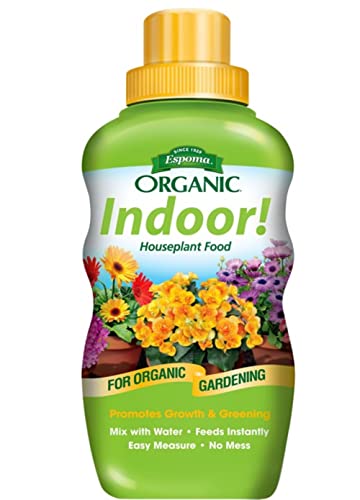
Espoma Organic Indoor Plant Food provides organic nutrients designed for indoor use. This formula is safe for homes with children and pets, aligning with households seeking natural options. Instructions recommend mixing half a cap per quart of water and applying every 2–4 weeks, ensuring soils remain consistently nourished without excessive buildup. The liquid fertilizer supports both large and small indoor plants such as pothos, fiddle leaf figs, monstera, snake plants, and palms.
Organic plant foods like Espoma emphasize sustainable ingredient sourcing and a more natural feeding profile. While some users report slower visible results compared to synthetic options, organic formulas often appeal to gardeners prioritizing environmental considerations and long-term soil health. For best outcomes, pair Espoma with proper light, watering, and pruning practices to maximize plant vitality.
Buying Guide: Key Purchase Considerations For Indoor Plant Fertilizers
Choosing the right fertilizer depends on plant type, growth stage, and your care routine. Consider the following factors to tailor a feeding plan to your indoor garden.
- N-P-K ratio and micronutrients: Look for balanced blends (such as 4-3-4 or 6-12-6) or organic formulas that supply trace minerals. Higher phosphorus supports flowering; higher nitrogen encourages leafy growth.
- Form and application: Liquid formulations are fast-acting and easy to dilute; spikes provide long-term feeding with less maintenance; ready-to-use liquids are convenient for quick boosts.
- Indoor suitability: Ensure the product is labeled for indoor use and safe for pets or children if needed. Organic options may appeal to households prioritizing natural inputs.
- Strength and dilution: Follow label directions to avoid over-fertilizing, which can burn roots and damage foliage. Start with lower concentrations if you are unsure of plant sensitivity.
- Plant compatibility: Some plants respond better to specific formulations—flowering varieties may benefit from bloom-focused blends, while foliage plants may prefer balanced or nitrogen-rich feeds.
- Maintenance plan: Consider how often you water and how often you can fertilize. Products with longer intervals between applications can fit busy schedules, whereas liquid feeds may be preferred for rapid results during active growth.
- Storage and shelf life: Keep containers sealed and stored away from sunlight. Some organic formulas may have shorter shelf lives or require refrigeration after opening in certain formulations.
In practice, many growers adopt a rotating plan, using a liquid feed during spring and summer when plants actively grow, with reduced feeding in fall and winter. For flowering plants, pair with a bloom-enhancing formula during peak blooming periods. Always monitor plant response—adjust frequency, concentration, or product type if yellowing, leaf drop, or stunted growth appears.