Gardening success often hinges on knowing when to water. Plant water meters, or soil moisture meters, provide an easy, battery-free way to gauge moisture deep in the root zone, helping you prevent overwatering and underwatering. This article highlights five highly rated meters designed for indoor, outdoor, and garden use, explaining how their features translate into real-world care for a wide range of plants.
| Product | Brand | Key Benefit | Notes |
|---|---|---|---|
| XLUX Soil Moisture Meter | XLUX | Accurate, quick readings; long probe option | No batteries; ideal for potting and garden beds |
| YAMRON 4-in-1 Soil Tester | YAMRON | Moisture, pH, temperature, sunlight | Backlit LCD; uses batteries |
| GROWIT Soil Moisture Meter | Craft911 | Simple, battery-free | Great for quick checks on indoor plants |
| Dr.meter Soil Moisture Meter | Dr.meter | Color-coded, no battery needed | Accessible for beginners |
| Antonki 2 Pack Soil Meter | Antonki | Real-time moisture readouts, easy to use | Two-pack value; battery-free |
id=”xlux-meter”>XLUX Soil Moisture Meter
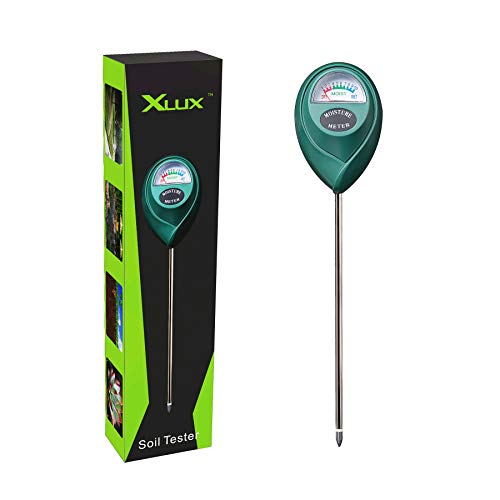
The XLUX Soil Moisture Meter provides immediate soil readings that distinguish dry, moist, and wet conditions, helping you decide when to water. Its large dial features ten scales across three zones for simple interpretation. A key feature is its direct, no-delay display once inserted into soil. Important usage note: avoid leaving the probe in soil for more than five minutes to prevent corrosion of the metal tip. This meter is ideal for pots and garden beds where quick, surface-to-root zone readings are sufficient.
Typical use cases include potted houseplants, balcony containers, and small garden plots. The meter’s lack of batteries reduces maintenance, and the 5-inch probe is well-suited for shallow root zones while a longer version exists for deeper pots.
id=”yamron-multimeter”>YAMRON 4-in-1 Soil Moisture Meter

This 4-in-1 meter provides moisture, pH, soil temperature, and sunlight intensity, all in one handheld device. It features a large LCD with white backlight for easy reading in daylight or darkness. The device runs on four AAA batteries (not included) and will alert you when power is low. Quick and accurate measurements help you time watering based on moisture and pH, while light and temperature data support light exposure decisions for optimal plant health.
It is particularly helpful for gardeners who manage diverse plant collections—vegetables, herbs, succulents, and flowering plants—where multiple environmental factors influence irrigation needs. The device’s backlit display is a practical advantage for evening gardening sessions or low-light indoor spaces.
id=”growit-meter”>GROWIT Soil Moisture Meter For Plants

This no-battery meter emphasizes simplicity and practicality for indoor plants. It helps you identify overwatering or underwatering by sensing soil moisture levels and indicating whether topsoil stays wet while deeper layers remain dry. The device is easy to use—just insert the probe into the soil and read the results in real time. It is especially useful for quick checks in potting soil and for watering guidance without relying on digital displays or batteries.
Ideal for beginners and seasoned plant lovers alike, it supports everyday plant care routines and reduces guesswork, contributing to healthier root zones and better plant vigor.
id=”antonki-meter”>Antonki 2 Pack Soil Moisture Meter

This two-pack meter provides real-time readings of moisture levels, indicating dry, moist, or wet soil. It guides watering around the root zone and helps prevent overwatering. The setup steps are straightforward: remove the probe protector, insert near the roots, and read the moisture level. The device emphasizes zone-based watering guidance, noting that some plants prefer consistently moist soil while others tolerate drier conditions. It is designed for use with indoor pots, garden beds, and outdoor containers, making it versatile for mixed planting schemes.
With no batteries required, users can rely on this simple, durable tool for day-to-day plant husbandry and education for beginners learning about soil moisture dynamics.
Buying Guide: Key Purchase Considerations
- Battery requirement: Battery-free meters are maintenance-free but may lack advanced features found in multi-parameter meters.
- Probe length: Longer probes measure deeper soil layers, which is important for large pots or deep beds; shorter probes are sufficient for small containers and surface readings.
- Readout type: Analog dials are quick and intuitive, while digital displays offer precise numbers and, in some cases, backlighting for low-light use.
- Additional measurements: Some meters provide pH, temperature, and light readings, which can help manage diverse plant species but may complicate simple watering decisions for beginners.
- Durability and soil compatibility: Look for probes designed to resist corrosion in moist soils and ensure the device is suitable for your soil type (sandy, clay, or loamy).
- Usage environment: Indoor planter setups may benefit from small, battery-free meters; outdoor gardens may require sturdier builds and longer probes for deeper soil.
- Ease of use: Consider whether the meter offers a simple color-coded scale or precise numerical readings, and whether it includes a protective cap or wipe cloth to maintain probe sensitivity.
- Maintenance: Some meters require periodic cleaning of the probe with a cloth to maintain accuracy; verify included care instructions.
How to Choose for Your Plants
For beginners, battery-free meters with a clear dial and color-coded zones offer the fastest learning curve. For plant collections with varied needs, a 4-in-1 meter can provide moisture, pH, temperature, and light information, enabling more precise irrigation and environmental management. Home gardeners with larger pots or deep beds may benefit from a long-probe model to reach root zones. Always follow manufacturer guidance on maximum soil exposure time to protect the probe from corrosion and ensure consistent measurements across seasons.
Usage Tips and Best Practices
- Water according to the root zone moisture, not just the surface soil. Deep readings better reflect plant needs.
- Avoid leaving the probe inserted for extended periods in wet soil to prevent corrosion and measurement drift.
- Pair a moisture meter with regimented watering schedules to establish consistent soil moisture targets for each plant type.
- Regularly calibrate or wipe the probe if required by the model to maintain reading accuracy.