Ponds with koi fish benefit from careful plant selection that supports water quality, provides shade, and adds vibrant color. This article highlights five practical pond plants that suit koi habitats, emphasizing floating and water-lily like varieties that offer natural filtration and comfortable habitats for fish. Each plant below is linked to a trusted Amazon listing to help you compare features and benefits quickly. The focus is on live, easy-care species that perform well in American climates and help maintain a balanced pond ecosystem.
| Product | Brand | Key Benefit | Amazon Link |
|---|---|---|---|
| Chalily Water Hyacinth Floating Pond Plants | Chalily | Floating surface cover, natural filtration | View |
| Chalily Mosaic Plant | Chalily | Distinct mosaic foliage, yellow blooms | View |
| Rembrandt Live Perennial Water Lily | Chalily | Rosy-red blossoms, natural filtration | View |
| Floating Flowering Plant Bundle (Water Hyacinth) | AquaLeaf Aquatics | Natural filtration, fast surface coverage | View |
| 5 Live Water Hyacinth Plants | Generic | Immediate pond use, natural filtration | View |
Chalily Water Hyacinth Floating Pond Plants

Chalily’s Water Hyacinth is a popular floating choice for koi ponds. The glossy, succulent green leaves rest on the water’s surface, creating a natural shaded zone that helps reduce algae growth. The plant’s rapid growth is a plus for beginners seeking quick coverage and a visible filtration effect, as its dense root systems contribute to nutrient uptake in the upper water column. Blooms appear sporadically, adding subtle color to the pond. This variety is praised for easy care—simply drop bare root hyacinths into the water without soil or pots. It’s a practical starting point for building a balanced ecosystem.
In addition to surface coverage, the hyacinth’s roots extend into the water, enhancing natural filtration and providing microhabitats for beneficial microorganisms. For koi, shading can help reduce stress during hot days, while the plant’s buoyant structure helps to moderate water temperature. Keep in mind that hyacinths can spread quickly, so monitoring tank space and plant density is prudent. Some regions restrict shipping due to invasive potential, so verify local guidelines before purchase.
Chalily Mosaic Plant

The Mosaic Plant from Chalily stands out with its unique diamond-shaped leaves arranged in a circular, mosaic-like pattern. When exposed to full sun, the foliage can acquire red-tinted edges, creating a striking visual effect in the pond. This plant doubles as a natural filtration helper, similar to lilies, by contributing to clearer water through its leaf structure and root network. In summer, it can bloom with small yellow flowers that echo the appearance of buttercups, adding seasonal color without the need for artificial decorations. This plant thrives in shaded to sunny spots, making it versatile for varying pond layouts.
What makes the Mosaic Plant appealing for koi ponds is its resemblance to water lilies in terms of water quality benefits, while avoiding the deeper planting often required by true lilies. It introduces a decorative element that complements koi without demanding extensive maintenance. For optimal results, position this plant in a location where it can receive adequate sunlight and room for its growth pattern. As with other floating or semi-floating plants, monitor nutrient levels and ensure that roots have space to extend freely for filtration benefits.
Rembrandt Water Lily
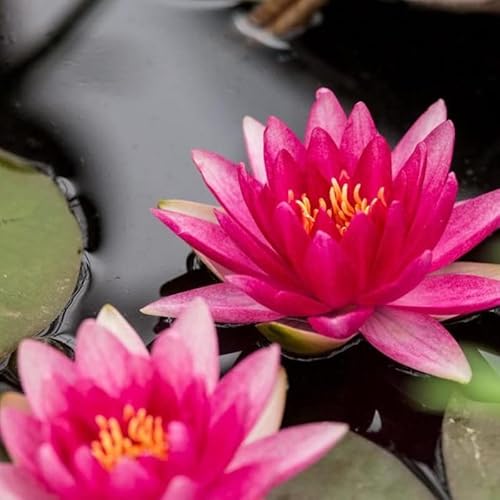
The Rembrandt Live Perennial Water Lily offers rosy-red blossoms that can become a focal point in koi ponds. Water lilies contribute to pond health by providing shade, reducing light penetration, and supporting natural filtration through their root systems. This particular lily is described as a free-flowering variety, with blooms that stand out against dark pond water and surrounding foliage. The plant is commercially pre-grown bare root, which supports quicker establishment in outdoor ponds. In addition to aesthetic appeal, water lilies help improve water clarity and quality through natural processes, making them a practical choice for koi habitats.
Rembrandt’s red-toned blooms add dramatic color while its broad leaves offer additional shaded areas for koi to seek shelter. It is important to ensure deep enough water and enough room for the lily to spread, as crowded conditions can hamper flowering. Regular maintenance, including removing decaying leaves, will help maintain water quality and reduce debris in the pond. For koi keepers, this lily provides a balanced mix of beauty and ecological benefits without requiring complex care routines.
Floating Flowering Plant Bundle

This bundle from AquaLeaf Aquatics centers on floating water hyacinths, offering natural filtration and shade. The package highlights benefits such as nitrate and ammonia reduction through surface coverage, protection for fish via shade, and rapid growth that helps control evaporative losses. For koi ponds, shaded surface areas can reduce algae growth while the floating roots create microhabitats that support beneficial bacteria. Plants like these are particularly useful in new ponds or systems transitioning toward a balanced ecosystem, where the goal is to establish phasically stable water quality and comfortable fish-friendly conditions.
Active maintenance remains straightforward: keep the plants within their allotted space, prevent overgrowth that chokes other aquatic life, and remove any decaying material promptly. The dynamic nature of floating plants means they can help regulate light exposure and nutrient levels, but they may require occasional thinning to maintain pond aesthetics and water movement. They also work well in combination with other aquatic plants to create layered habitats for koi and beneficial organisms.
5 Live Water Hyacinth Plants

The 5 Live Water Hyacinth Plants by Generic provide an immediate impact for pond coverage. They come with five companions and buoyant bulbs ready for surface deployment, delivering instant shading and a natural filtration boost. The plants’ floating habit helps control nutrient loads and may contribute to clearer water. With no soil required, they are beginner-friendly and adaptable to a range of pond sizes. However, because surface coverage can grow quickly, plan for periodic thinning to keep koi ponds balanced and ensure that light can still reach deeper water layers where beneficial plants and organisms reside.
Overall, these live hyacinths offer an attractive combination of rapid establishment, straightforward care, and filtration benefits. They pair well with other aquatic plants to create a layered habitat. As with all floating plants, ensure your pond has enough surface area to accommodate growth and avoid overcrowding that could restrict koi movement or oxygen exchange at night.
Buying Guide: Key Purchase Considerations and Comparisons
When choosing pond plants for koi, consider the following factors to optimize health, aesthetics, and water quality:
- Water depth and light: Ensure selected plants suit your pond depth. Floating hyacinths tolerate shallow water and enjoy full sun, while water lilies prefer deeper water and consistent light for flowering.
- Filtration and shade: Plants with dense foliage and root systems contribute to nutrient removal. Shade reduces algae growth and helps koi feel secure during warm days.
- Growth rate and maintenance: Fast-growing plants offer quick coverage but may require regular pruning to prevent overcrowding. Balance with slower-growing varieties for year-round stability.
- Climate compatibility: Verify that the varieties are suited to your climate zone, especially for overwintering outdoors. Some hardy lilies and floating plants tolerate cold winters with proper depth and protection.
- Container and placement: Use appropriate containers or allow natural floating growth. Plan for space to accommodate root expansion and avoid crowding.
- Invasiveness and local regulations: Some floating plants can spread aggressively or be restricted in certain regions. Check local rules before purchasing.
- Maintenance routine: Regularly remove decaying leaves and monitor nutrient levels to maintain water quality. Pair plants with routine pond care practices for optimal results.
Comparing the options, floating hornwort-like or hyacinth varieties deliver rapid surface shading and nutrient uptake, while water lilies add structural beauty, deeper shade, and robust filtration. Mosaic plants provide a decorative twist with mosaic-like leaves and seasonal blooms that enhance visual appeal without requiring soil or extensive planting. For koi ponds, a combination of floating mats for surface coverage and a anchored water lily or mosaic variety helps create a balanced ecosystem that supports fish health and water clarity.