Choosing the right potting soil is crucial when transplanting seedlings. The best blends offer balanced nutrients, good aeration, and moisture control to minimize transplant shock and promote sturdy root development. Below are five highly relevant options that perform well for seed-starting, transplanting, and container gardening across the United States.
| Product | Brand | Key Benefit |
|---|---|---|
| FoxFarm Ocean Forest Potting Soil | FoxFarm | Moisture-rich, pH adjusted blend for all container plants |
| Seed Starter Natural Potting Soil Mix | Midwest Hearth | Germination-friendly with aeration and moisture retention |
| Back to the Roots 100% Organic Potting Mix | Back to the Roots | Organic, peat-free blend with moisture control |
| Miracle-Gro Organic Outdoor Potting Mix | Miracle-Gro | OMRI-listed with quick-release fertilizer for ongoing feeding |
| Back to the Roots Organic Coir | Back to the Roots | Peat-free, expands to large volume, all-purpose use |
FoxFarm Ocean Forest Potting Soil, 12qt

FoxFarm Ocean Forest is designed as an all-in-one potting soil for container plants. Its moisture-retaining blend includes aged forest products, sphagnum peat moss, earthworm castings, bat guano, and fish emulsion, supporting robust seedling growth and healthy foliage. The pH-adjusted mix helps optimize nutrient uptake for a wide range of plant varieties, making it a versatile option for transplanting seedlings into containers or beds.
Seed Starter Natural Potting Soil Mix for Germination

This Midwest Hearth mix is formulated for seed germination and early growth. It provides aeration and moisture retention through a blend that commonly includes peat moss, perlite, and vermiculite. The ready-to-use texture helps reduce transplant shock by offering a consistent moisture balance, supporting steady root establishment as seedlings transition to larger containers or garden soil.
Back to the Roots 100% Organic Potting Mix
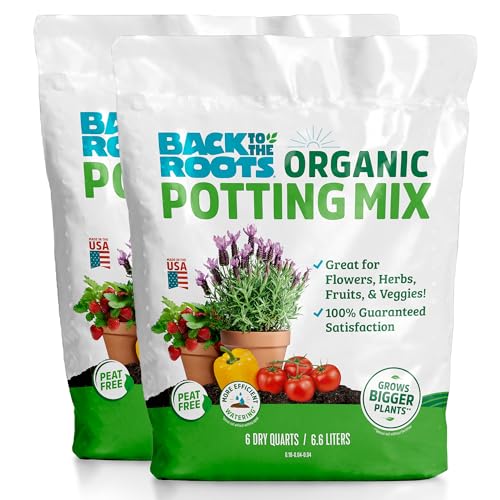
This 100% organic, peat-free mix uses upcycled plant matter and wood fines to create a lighter carbon footprint while delivering good moisture control. It’s a versatile option for herbs, vegetables, fruits, and flowers, and it includes yucca extract for moisture management along with dolomitic limestone for pH balance—supporting steady growth through transplanting and early development.
Miracle-Gro Organic Outdoor Potting Mix

Miracle-Gro Organic Outdoor Potting Mix contains a quick-release natural fertilizer and feeds plants for up to two months. It’s formulated for a broad range of outdoor container plants and carries OMRI listing. The mix supports vigorous initial growth and provides ongoing nutrition during the transplanting phase, helping seedlings establish in new containers or garden beds.
Back to the Roots Organic Coir, 51 Quart Expanding Soil

Back to the Roots Coir expands to over 2 cubic feet and is peat-free, OMRI-listed, with a balanced pH suitable for many uses. It can be used alone or as an amendment for pots or in-ground growing. The coir base provides good aeration and moisture retention, making it a strong option for seedling transplantation and long-term container use.
Buying Guide
Soil Type and Organic Content
Consider peat-free or minimally processed soils if you aim to reduce environmental impact. Organic blends with composted materials and natural amendments tend to support healthy root systems and microbial activity, which matter during transplanting.
Moisture Retention and Drainage
Seedlings require consistent moisture without waterlogging. Look for blends that balance water retention with aeration, often achieved through perlite, vermiculite, or coco coir, along with moisture-retentive ingredients like sphagnum peat or using yucca extract as a natural stabilizer.
pH Balance
A pH-balanced mix helps nutrients become available to roots during early growth. Dolomitic limestone or other pH-balancing additives can help maintain an optimal range for a variety of crops.
Nutrient Content and Feeding
Some potting soils include slow-release or quick-release fertilizers. When transplanting young seedlings, only a light initial feeding may be appropriate, depending on plant type and existing amendments. For long-term growth, choose soils that support gradual nutrient release without burning.
Intended Use and Longevity
Container gardening versus in-ground use can influence soil choice. For seeds and seedlings, blends that promote germination, root development, and early vigor are ideal. If you plan to reuse soil across seasons, a compost-rich or renewable base (like coir) may offer better regenerability and fewer pests.
Environmental and Certification Considerations
OMRI-listed products are certified for organic use and can be preferred in organic gardening. Recyclable or peat-free options also appeal to environmentally conscious gardeners aiming to reduce peat extraction and carbon footprint.