Selecting the right soil is essential for productive raised beds. The following review highlights top soil mixes and related amendments designed to improve structure, nutrients, and moisture retention for vegetables, herbs, and flowers in raised garden beds. Each option includes a brief look at core benefits and key features to help you choose what fits your garden goals.
| Product | Brand | Notes |
|---|---|---|
| Espoma Organic Raised Bed Mix | Espoma | All-natural, mycorrhizae, worm castings |
| Wakefield Biochar Blend with CarbonBoost Technology | Wakefield Biochar | Advanced moisture retention, biochar, probiotic blend |
| Miracle-Gro Organic Raised Bed & Garden Soil | Miracle-Gro | PEAT-free, quick-release fertilizer, upcycled green waste |
| Soil Builder Raised Bed Mix | Wiggle Worm | Worm castings, compost-based |
| True Organic Raised Bed Food | True Organic | Organic seabird guano and shell meal |
Espoma Organic Raised Bed Mix

Espoma’s Raised Bed Mix is designed specifically for outdoor containers and raised beds. It combines organic ingredients with earthworm castings, alfalfa meal, kelp meal, and feather meal, delivering a rich base for vegetables and herbs. The inclusion of MYCO-TONE, a blend of endo- and ecto-mycorrhizae, supports robust root networks and nutrient uptake. The mix is ideal for beginners and seasoned gardeners seeking a reliable, all-natural option that feeds soil biology over a growing season.
Wakefield Biochar Blend with CarbonBoost Technology

This Biochar Blend combines CarbonBoost technology with premium biochar to enhance soil structure, aeration, and microbial activity. It aims to reduce compaction and improve root growth while boosting water and nutrient retention. The blend also features a probiotic and mycorrhizae mix to support a healthy soil ecosystem, making it a strong choice for raised beds where water management and vigorous root systems are priorities.
Miracle-Gro Organic Raised Bed & Garden Soil
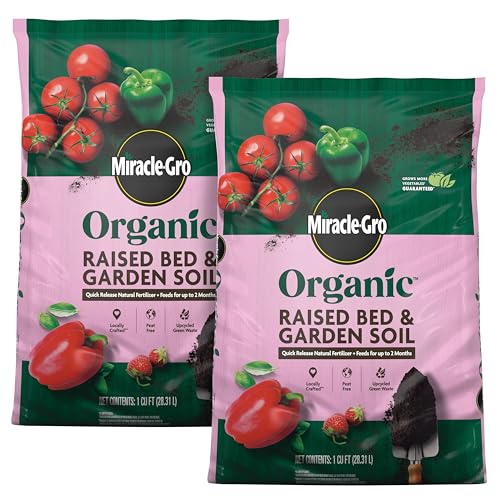
Miracle-Gro’s peat-free raised bed soil blends organic ingredients with upcycled green waste. It’s designed to feed plants for up to two months and is ideal for gardeners seeking a convenient, peat-free option that aligns with sustainable practices. This mix pairs well with the Miracle-Gro Raised Bed Soil line for consistent results across seasons.
Soil Builder Raised Bed Mix

Wiggle Worm’s Soil Builder Raised Bed Mix combines worm castings with other organic ingredients to create a fertile, soil-friendly bed mix. Condensed into a user-friendly 40-pound bag, it’s designed for direct application into raised beds, planters, and containers. The product emphasizes a microbe-rich environment and improved soil structure for plant growth.
True Organic Raised Bed Food

True Organic Raised Bed Food is an organic fertilizer designed for raised beds and large containers. It contains seabird guano, shrimp and crab shell meal, and other nutrient components to nourish soils and sustain plant growth. The formula is intended for regular applications, providing long-lasting nourishment across the growing season and supporting abundant yields in raised-bed gardens.
Buying Guide: Key Considerations for Raised Bed Soil Selections
- Soil composition and amendments: Look for blends with compost, worm castings, kelp or alfalfa meals, and mycorrhizae to improve nutrient availability and root health. Mycorrhizae can boost water and nutrient uptake, especially in raised beds with variable moisture.
- Moisture retention and aeration: Raised beds benefit from materials that balance moisture-holding capacity with good drainage. Biochar or engineered moisture-locking formulas can reduce watering frequency while supporting root development.
- Peat-free and sustainable options: If you’re aiming to minimize peat usage, select peat-free blends that utilize compost, green waste, or alternative organic components. This aligns with long-term soil health and environmental goals.
- Nutrition strategy: Some mixes provide quick-release fertilizers or slow-release nutrients. Consider whether you want a soil that feeds plants for several weeks or one that primarily enriches soil biology for longer-term fertility.
- Container and bed compatibility: Ensure the product is suitable for raised beds, containers, or both. Some blends are designed specifically for raised beds, while others are versatile for multiple garden settings.
- Environmental considerations: If you garden with sensitive crops (herbs, leafy greens, or kid-friendly edibles), verify organic certifications and absence of synthetic fillers in the blend.
- Application guidance: Many products require specific ratios or pre-wetting steps. Review label directions to optimize use, drainage, and soil structure in your beds.
- Cost per square foot: Compare bag sizes, coverage rates, and how often you’ll need to replenish soil. Some premium blends deliver long-term benefits that justify higher upfront costs.
How to Choose for Your Garden
For most raised beds, a base mix that combines compost, worm castings, and a mycorrhizal boost delivers robust results across crops. If you struggle with drainage, prioritize mixes featuring biochar or moisture-retentive components. For organic certification or soil health goals, opt peat-free formulas with natural nutrient sources. Finally, consider integrating a slow-release fertilizer or a compost-based amendment to sustain fertility between seasonal rotations.