Choosing an organic rose fertilizer supports vibrant color, robust foliage, and abundant blooms while minimizing environmental impact. This guide highlights five top organic options available on Amazon, detailing how each product feeds roses and other flowering plants. Readers will learn what to look for in an organic blend, how to apply it for best results, and what trade-offs exist between slow-release and quick-acting formulas.
| Product | Brand | Key Benefit |
|---|---|---|
| Espoma Organic Rose-Tone 4-3-2 (Pack of 2) | Espoma | Balanced NPK with Bio-tone for steady growth |
| Jobe’s Organics Granular Rose Fertilizer | Jobe’s Organics | OMRI-listed, formulated for roses and flowering shrubs |
| Burpee Organic Bloom Granular | Burpee | Instant nutrient flush with long-lasting feeding |
| Down To Earth Organic Rose & Flower Mix | Down To Earth All Natural Fertilizers | Balanced 4-8-4 formula for flowering and roots |
| Great Big Roses Rose Fertilizer Booster | Great Big Plants | Concentrated compost extract for better uptake |
Note: All products listed are formulated to feed roses and flowering plants
without synthetic chemicals. When selecting, consider your rose type, climate, and whether you prefer a quick-acting feed or a slow-release option that builds soil health over time.
Espoma Organic Rose-Tone 4-3-2 (Pack of 2)
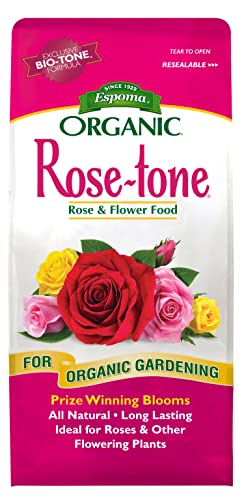
Espoma Rose-Tone is a ready-to-use organic fertilizer designed specifically for all types of roses, including knockouts and climbers, as well as other flowering plants like viburnum and clematis. The formula blends natural and organic ingredients with Bio-tone microbes to support soil health and nutrient availability. With a 4-3-2 NPK ratio and 5% calcium, Rose-Tone encourages vigorous green growth and abundant blooms. Apply monthly during the growing season, typically May through September, by placing the product around the drip line and watering in thoroughly. No mixing required, making it a convenient option for steady rose care.
Jobe’s Organics Granular Rose Fertilizer

Jobe’s Organics Granular Rose Fertilizer is an OMRI-listed, 3-4-3 NPK formulation designed to support roses and other flowering shrubs including hydrangea, hibiscus, and azalea. The 4-pound bag minimizes waste while providing steady nutrition and reducing runoff. This organic plant fertilizer contains no synthetic chemicals and is formulated to promote vibrant leaves and abundant blossoms. Its granular design supports easy application around the plant’s drip line and through mulched beds.
Burpee Organic Bloom Granular

Burpee Organic Bloom Granular All-Natural Plant Food is formulated for roses and flowering plants, offering immediate nutrient delivery with slow-release nutrients for up to three months. OMRI-listed for organic gardening, this granular blend feeds roots and foliage to support robust growth and continuous bloom production. It’s suitable for containers, beds, and established shrubs, delivering a steady nutrient supply without synthetic additives. The product’s microbial components help improve soil biology, contributing to long-term plant health.
Down To Earth All Natural Fertilizers Organic Rose & Flower Mix

Down To Earth Organic Rose & Flower Mix features a balanced 4-8-4 NPK ratio, optimized to enhance flowering, root development, and healthy leaf growth. The formula is OMRI-listed, ensuring suitability for organic gardens and lawns. By providing higher phosphorus, it supports bloom formation, while the organic base helps cultivate resilient roots and soil structure. This product is designed for both roses and a variety of flowering plants, ideal for beds and containers alike.
Great Big Roses Rose Fertilizer Booster

Great Big Roses offers a concentrated compost extract booster designed to enhance rose fertilizer uptake. The blend includes humic acids, chelated trace minerals, and seaweed, all aimed at improving nutrient availability in the root zone. This product works with existing rose fertilizers to maximize growth and bloom production. It’s particularly useful for gardeners seeking to optimize soil biology and nutrient efficiency without adding synthetic chemicals.
Buying Guide
- Soil health vs. immediate bloom: If soil health and long-term vigor are priorities, choose organic blends with microbial additives (Bio-tone or compost-based extracts) that improve nutrient cycling and root structure. For fast blooms, look for products with higher phosphorus or those identified as quick-acting granular feeds.
- NPK balance: Roses benefit from balanced feeds (like 4-3-2 or 3-4-3), but some varieties may respond better to higher phosphorus for bloom initiation (phosphorus promotes flowering). Consider your plant stage and desired outcome when selecting.
- Delivery method: Ready-to-use blends (no mixing) save time, while granular formulas allow precise, localized feeding at the drip line. Containers may benefit from slow-release formulas to avoid overfeeding during peak heat.
- OMRI listing and organic certification: If you garden for organic certification or prefer non-synthetic inputs, prioritize OMRI-listed products. This ensures compliance with organic gardening standards and reduces chemical exposure to beneficial insects and soil life.
- Application timing: Most organic rose fertilizers perform best during the growing season (spring through early fall). Monthly applications align with plant uptake cycles, while some granular formulations can be applied less frequently depending on the product’s release rate.
- Plant variety and environment: Knockouts and climbers may have different nutrient demands. Garden size, sun exposure, and soil type influence fertilizer choice; in shaded or nutrient-poor soils, a more robust feed with soil-building properties can support extended bloom.
- Environmental considerations: Organic options typically reduce runoff and minimize chemical leaching. However, always water thoroughly after application to help move nutrients to the root zone and prevent fertilizer burn.
For most American rose gardens, a balanced organic fertilizer that supports soil life, delivers steady nutrients, and suits your maintenance routine offers the best combination of performance and sustainability. Assess your soil, climate, and rose varieties to determine whether a ready-to-use option or a granular, slow-release blend best matches your gardening style and goals.