When soft shade is the goal, selecting compact trees that deliver year-round interest is essential. This guide highlights five practical options, from fast-growing deciduous trees that create cooling shade to hardy varieties suited for varied climates. Each pick comes with key features to help you compare suitability for your yard, plus a helpful buying guide to make an informed decision.
| Product | Type | Highlights |
|---|---|---|
| American Sycamore Tree – 8-16″ Tall Live Plant | Shade Tree Seedling | Large, spreading shade; vibrant fall color |
| American Red Maple Shade Tree – Live Plant | Shade Tree | Deciduous with striking autumn display |
| GREENGROVE Globe Willow Tree | Desiduous Shade Tree | Fast-growing; dramatic globe form |
| Weeping Willow – 1 Gallon | Shade Tree | Elegant cascading branches; rapid growth |
| Planting the Dry Shade Garden (Book) | Reference Book | Best plants for dry, shaded spots |
The following sections provide detailed profiles of each product, including what to expect, planting considerations, and how they fit into a shade-focused landscape plan.
American Sycamore Tree – 8-16″ Tall Live Plant
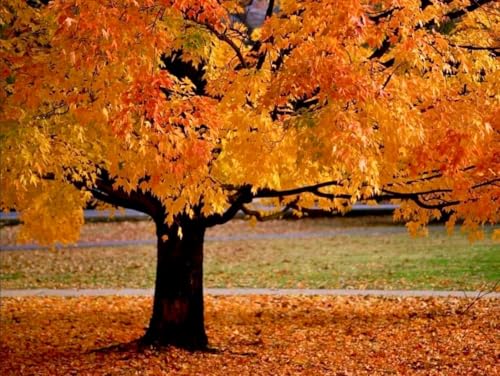
The American Sycamore is a sizable shade-providing option, shipped as a small live plant in a quart pot. It promises a broad canopy and strong growth as it matures. Expect large, maple-like leaves that can create a cool outdoor space during hot months. The tree is suited to a variety of American climates and can establish quickly in well-drained soil with full sun to partial shade. When choosing a planting site, note its eventual width and ensure ample room for growth without interfering with structures or utilities.
American Red Maple Shade Tree – Live Plant
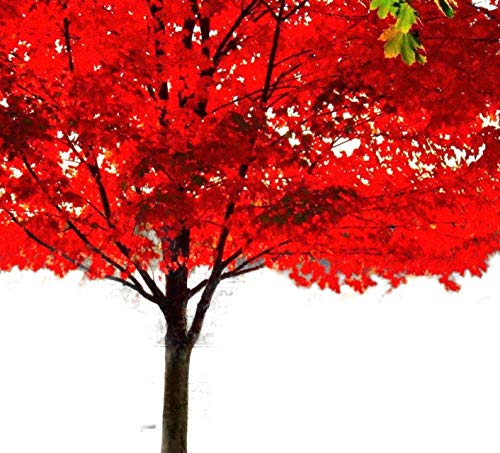
The American Red Maple is a classic shade tree that ships as a three-foot-tall live plant. It’s a versatile deciduous option that thrives in zones 3 through 9 with full sun. The tree offers a robust canopy and attractive autumn color, providing seasonal drama. It’s important to follow planting instructions after delivery and to understand seasonal leaf loss in winter, as this species drops foliage in colder months. California restrictions may apply for certain shipments.
GREENGROVE Globe Willow Tree

The Globe Willow is a fast-growing, drought-tolerant option that forms a globe-like crown, making a striking focal point in home landscapes. Deciduous foliage provides seasonal interest with light green leaves and dynamic color changes. Specimens can reach up to 70 feet tall over time, but the initial planting is manageable and quick-growing—an attractive choice for rapid shade development. Plan for ample root space and water during establishment, especially in hot, dry periods.
Weeping Willow – 1 Gallon Established Potted Plant
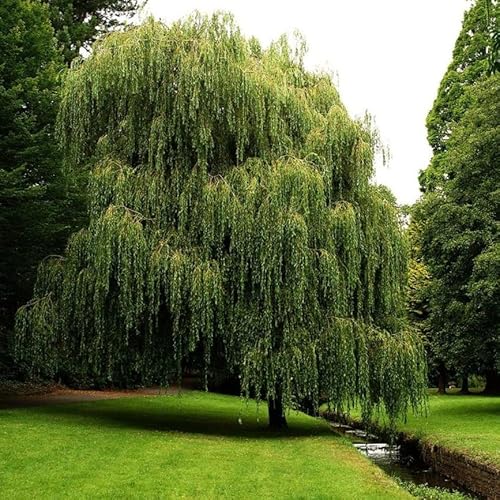
The Weeping Willow offers a graceful, cascading form and fast growth, establishing quickly to create shaded areas beneath and around its drooping branches. Suitable for zones 6-8, this tree enjoys full sun to partial shade and tends to perform best in soil that remains evenly moist. Its dramatic silhouette makes it a distinctive choice for yards seeking a strong vertical accent that also provides cooling shade during the hottest months.
Planting the Dry Shade Garden: The Best Plants for the Toughest Spot in Your Garden

This Timber Press book is a practical resource for gardeners facing challenging shade conditions, including dry shade. It offers plant recommendations and strategies tailored to tough spots where moisture is limited. While not a tree itself, it complements the selection above by expanding options for shade and drought tolerance, helping you design a resilient, enjoyable yard even in limited sun.
Buying Guide: Key Purchase Considerations
- Shade needs: Different trees cast varying amounts of shade. Consider the size you want within 5–10 years and how much sun exposure the planting site receives.
- Growth rate and ultimate size: Fast-growing trees provide quick shade but may require more pruning and maintenance. Plan for root spread and canopy width to avoid conflicts with sidewalks, driveways, or structures.
- Soil and drainage: Most shade trees prefer well-drained soil. Amend soil if necessary to improve drainage and moisture retention, especially in dry shade areas.
- Climate compatibility: Ensure the chosen varieties are suited to your USDA hardiness zone and local climate patterns, including winter temps and summer heat.
- Watering and establishment: New plantings need regular moisture to establish. Establish a mulched, consistent watering routine, tapering as roots develop.
- Maintenance: Consider pruning needs, root behavior, and accessibility for ongoing care. Some trees may require more frequent pruning to maintain shape and health.
- Aesthetics and color: Autumn foliage color, flowering, and structure all influence long-term visual appeal. Match with your landscape’s color palette and architectural style.
- Legal and regulatory considerations: Some regions have restrictions on certain species or shipping to specific states. Verify local regulations before purchase.
Comparative Considerations
- Rapid shade vs. long-term stability: If you want quick relief from sun, consider faster-growing options like Globe Willow or Weeping Willow; for established, steady shade with seasonal color, maples and sycamores are strong contenders.
- Wildlife and ecosystem: Many of these trees support local wildlife through leaf litter, shelter, and food sources. Choose species compatible with your garden’s ecology and maintenance level.
- Climate resilience: In arid or dry shade situations, prioritize drought-tolerant choices and complement with shade-loving understory plants that require less water.
- Aesthetic balance: Pair tall shade trees with smaller understory plants or groundcovers to create layered interest and prevent a barren feel under the canopy.