Gardenias in containers require a soil blend that offers excellent drainage, steady moisture, and an acidic pH to keep their lush foliage and fragrant blooms thriving. This guide reviews five top Amazon potting soils that are well-suited for potted gardenias, explaining how each can support root development, fragrance, and overall plant health. The selections emphasize acidity, aeration, and nutrient balance, helping you pick the right mix for your indoor or patio garden.
| Product | Brand | Why It’s Good For Gardenias |
|---|---|---|
| Miracle-Gro Seed Starting Potting Mix, 8 Quarts | Miracle-Gro | Enriched for fast root development and includes plant food to support early growth from cuttings or young plants. |
| Back to the Roots 100% Organic Potting Mix | Back to the Roots | Organic, peat-free base with moisture control and pH balancing, made in the USA for a balanced environment. |
| Premium Potting Soil Mix with Peat Moss, Vermiculite, Perlite | Midwest Hearth | Airy, well-drained blend designed for robust root growth and moisture retention. |
| Rosy Soil Indoor Potting Soil | Rosy Soil | Biochar-enhanced mix with broad plant compatibility and balanced moisture for indoor greenery. |
| Acid Loving Plant Potting Soil Mix (12 Quarts) | Soil Sunrise | pH-optimized for azaleas, rhododendrons, blueberries, and similar acid-loving plants, aiding bloom quality. |
Choosing the right soil for gardenias in pots means considering pH, drainage, and organic matter. The options below cover a range of acidity levels and textures, helping you tailor your container setup to your climate and care routine. Each product contains practical features that can influence water management and root health, both essential for vibrant gardenias.
Miracle-Gro Seed Starting Potting Mix

Miracle-Gro Seed Starting Potting Mix is formulated to encourage rapid root development, a helpful feature when establishing a new gardenia in a container. It’s enriched with Miracle-Gro Plant Food, which can support early growth and nutrient uptake as the plant settles into its pot. While designed for starting cuttings and seeds, this mix can offer a solid foundation for potted gardenias, especially when repotting or transplanting. It typically drains well enough for young plants, reducing the risk of waterlogged roots. Regular monitoring of soil moisture remains important to prevent overwatering in hot conditions.
Back to the Roots 100% Organic Potting Mix
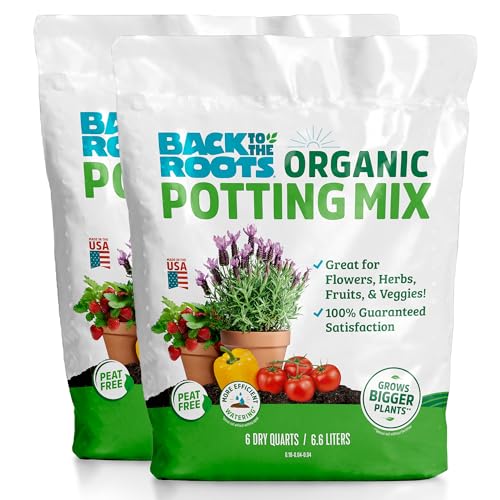
This 100% organic potting mix is peat-free and crafted from upcycled plant matter and wood fines, offering a lighter carbon footprint while still delivering good moisture control. It’s well-suited for container gardening and supports general plant health without introducing excessive salts. The blend’s pH-balancing ingredients help maintain a steady acidic to neutral environment, which can benefit gardenias that prefer slightly acidic soil. It’s versatile enough for herbs, vegetables, and ornamentals, making it a solid all-purpose option for mixed container plantings around a gardenia.
Premium Potting Soil Mix with Peat Moss

This premium mix uses peat moss, vermiculite, and perlite to create an airy, well-drained growing medium. The formulation supports robust root growth and provides a balance of moisture retention and aeration—key for container-grown gardenias that need consistent moisture without becoming waterlogged. The peat-containing base tends to support a slightly acidic environment, which aligns with gardenia pH preferences. For potted gardenias, this blend can be paired with careful watering practices and periodic light fertilization to sustain healthy foliage and blossoms.
Rosy Soil Indoor Potting Soil
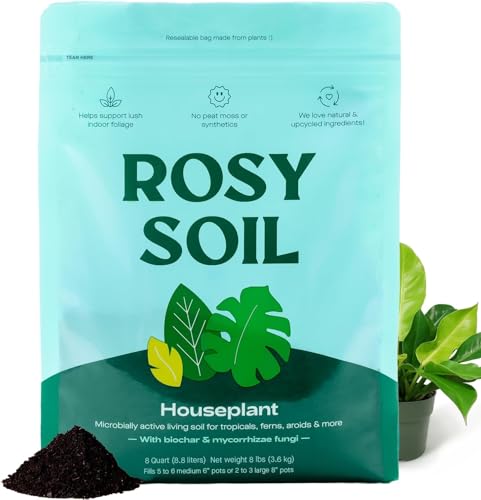
Rosy Soil’s indoor potting mix emphasizes a living soil approach with biochar and pine bark fines. This combination can improve moisture retention and microbial activity, potentially benefiting container gardenias by fostering a healthy rhizosphere. The biochar component can help with nutrient retention and soil structure, while the peat-free formula supports a lighter, more sustainable option. It’s positioned as a general-purpose indoor mix, yet its acidity-friendly characteristics and moisture management can complement gardenias kept indoors or on a sunlit patio.
Acid Loving Plant Potting Soil Mix

This soil mix is balanced to support plants that thrive in acidic environments, including azaleas, rhododendrons, and blueberries. Gardenias also prefer slightly acidic soil, so an acid-loving blend can be beneficial for maintaining bloom quality and overall vigor. The mix’s natural ingredients aim to provide robust drainage while preserving acidity, which helps prevent chlorosis and supports strong growth. It’s especially suitable for containers where soil pH can drift over time due to irrigation or fertilizer inputs.
Buying Guide: Key Purchase Considerations
When choosing a soil mix for gardenias in pots, consider several factors beyond basic drainage. First, evaluate pH. Gardenias favor acidic to mildly acidic soils (roughly pH 5.0 to 6.0). A blend labeled as acid-loving or designed for azaleas can be advantageous. Second, assess drainage and texture. Gardenias dislike soggy roots; a mix that combines organic matter with perlite or vermiculite can promote aeration and quick drainage during frequent watering. Third, nutrient content and longevity matter. Some blends include slow-release nutrients, while others rely on regular feeding. For container gardening, choose a mix that supports sustained root growth without compaction. Fourth, peat vs. peat-free options should align with your environmental preferences and availability. Sixth, container size and plant maturity influence soil depth and moisture dynamics; larger pots require mixes that balance moisture retention with airflow. Lastly, consider whether you’ll repot seasonally. Soils designed for long-term stability reduce the need for frequent changes, keeping gardenias healthier with less root disturbance.
For best results, combine a high-quality soil mix with proper potting conditions: select a container with drainage holes, water consistently but avoid waterlogging, and apply a fertilizer appropriate for acid-loving plants according to package directions. In some cases, a top-dressing of mulch or pine bark can help maintain surface moisture and acidity over time. Regular soil checks with a simple pH test can help you adjust if needed, ensuring your container gardenia remains fragrant and vibrant throughout the growing season.