Choosing the right soil is essential for thriving herbs, whether you’re growing basil on a sunny windowsill or thyme in a raised bed. This guide highlights five top soil options from reputable brands, focusing on nutrient balance, drainage, and moisture retention to support lush herb growth. Each product is evaluated on texture, organic content, and suitability for containers or garden beds, helping American gardeners pick the best match for their herb harvests and culinary needs.
| Product | Brand | Best For | Notes |
|---|---|---|---|
| Burpee Organic Premium Potting Mix | Burpee | Container gardens, herbs | OMRI-listed, coconut coir moisture retention |
| Professional Indoor Herb Plant Soil | Leaves and Soul | Indoor herb varieties | Ready-to-use blend with good aeration |
| Doter Organic Potting Soil Mix | Doter | Small containers, herbs | All-natural mix with aeration and drainage |
| Herbs and Leafy Greens Soil | Top Tier Genetics | Herbs and leafy greens indoors | Nutrient-rich and moisture-retentive |
| Espoma Organic Raised Bed Mix | Espoma | Raised beds, outdoor herbs | Mycorrhizae and organic meal blends |
Introduction to the options below focuses on soil that supports herb seedling vigor, root development, and steady growth through the season. Each section presents a concise overview, the key features that impact herb health, and practical usage tips to maximize results in American climates and homes.
Burpee Organic Premium Potting Mix For Herbs

Burpee’s Organic Premium Potting Mix blends a plant-food enriched mix with coconut coir to support seed and root growth, making it suitable for indoor containers or outdoor planters. It is OMRI-listed for organic use, which appeals to gardeners seeking natural inputs. The formulation provides immediate plant feeding, followed by a slow-release nutrient boost that lasts up to three months, helping herbs such as basil, cilantro, and parsley establish quickly and maintain vigor. Coconut coir improves moisture retention while still allowing good drainage, a balance that herb roots appreciate during dry spells or in hot summers.
Professional Indoor Herb Plant Soil

This ready-to-use soil blend is crafted for indoor herb cultivation, supporting varieties like basil, thyme, rosemary, oregano, mint, parsley, and sage. The mix emphasizes aeration to promote healthy root development and efficient nutrient uptake, which is crucial for potted herbs that experience fluctuating moisture levels. It also prioritizes drainage to prevent root rot, a common concern in indoor setups where light is abundant but watering can be inconsistent. The combination of premium base soil and targeted amendments aims to deliver reliable growth in kitchen herb gardens.
Doter Organic Potting Soil Mix For All Containers

Designed for both indoor and outdoor containers, Doter’s Organic Potting Soil Mix combines peat moss, perlite, coconut coir, and worm castings. This all-natural blend supports healthy growth by providing aeration and drainage, essential for herb roots that crave air at depth. The inclusion of worm castings adds slow-release nutrients, while the peat and coir components help retain moisture during warm days. Gardeners using small pots or window boxes can expect steady vigor from herbs like oregano or dill with consistent moisture management.
Herbs And Leafy Greens Soil – Premium Mix
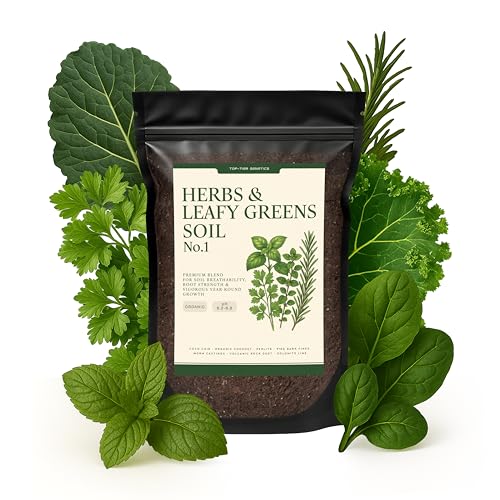
This premium mix is specifically formulated for herbs and leafy greens grown indoors. It emphasizes a nutrient-rich base and optimal drainage with moisture-retaining properties to support rapid, healthy growth for basil, mint, lettuce, spinach, arugula, and more. The blend aims to provide robust root development and high fertilizer absorption, helping herbs establish quickly in windowsill gardens and container setups. The balance of organic matter and aeration fosters strong root systems that translate to lush herb foliage with steady harvest potential.
Espoma Organic Raised Bed Mix

Espoma’s Organic Raised Bed Mix is a versatile option for outdoor herb beds and larger containers. This all-natural mix blends enriched organic ingredients, earthworm castings, alfalfa meal, kelp meal, and feather meal, along with Myco-Tone mycorrhizae to enhance root health and nutrient uptake. It’s designed to boost soil biology, improve structure, and support steady, robust herb growth across a season. Raised beds benefit from this blend’s balance of drainage and moisture retention, helping herbs like thyme and rosemary endure fluctuating weather without becoming waterlogged.
Buying Guide: Key Considerations For Choosing Soil For Herbs
- Moisture management: Herbs generally prefer consistently moist but not waterlogged soil. Look for blends with coconut coir, peat, or other moisture-retaining components, balanced by good drainage to prevent root rot.
- Drainage and aeration: Fine-textured mixes can compact easily. Choose soils that include perlite, vermiculite, or airy base materials to maintain air pathways for roots.
- Organic content and nutrients: For organic herb gardening, consider OMRI-listed or certified organic blends. Slow-release nutrients help sustain growth between waterings, especially in containers.
- Container vs. raised bed suitability: Container soils should be lighter and have excellent drainage, while raised bed mixes can be heavier and richer to support larger root systems.
- Plant compatibility: Different herbs have varying needs. Basil, cilantro, and parsley often benefit from balanced mixes with ample nitrogen for leafy growth, while woody herbs like rosemary may require slightly lighter blends with better drainage.
- Sustainability and inputs: Coconut coir and worm casts are popular sustainable additives. OMRI listings indicate suitability for organic gardening practices.
- Maintenance and usage: Some blends are ready-to-use; others may require amendment with compost or additional fertilizer. Plan ahead for the size of your container or bed and the herb species you’ll grow.
In summary, the right soil supports herb vitality from seedling to harvest. Whether you prefer ready-to-use indoor soils or nutrient-rich raised bed mixes, the selections above provide reliable options across containers and garden beds. When choosing, prioritize moisture management, drainage, and suitability for your growing situation to maximize herb yields and flavor.