Shade isn’t a barrier to growing a productive vegetable garden. With the right shade cloth and setup, you can protect heat-sensitive crops, extend your growing season, and reduce water stress. This guide highlights five reliable shade cloth options—each chosen for durability, coverage, and airflow—so you can keep vegetables thriving in partial sun or hot summer conditions.
| Product | Shade Rating | Size | Best Use |
|---|---|---|---|
| Agfabric Shade Cloth Net | Varies by model (uses HDPE) | 6×12 ft | General garden and greenhouse cooling |
| QLOFEI Shade Cloth | 40–50% sunblock | 4×8 ft | Greenhouses, patios, kennels, poultry housing |
| winemana Shade Cloth | 90% sunblock | 5×20 ft | Greenhouses, patios, large garden beds |
| POYEE Shade Cloth | 90% shade | 8×15 ft | Outdoor plants, greenhouses, shade for livestock areas |
| HORTIFAN Shade Cloth | 40% shade | 6.5×10 ft | Plants, greenhouses, patios |
Each product below provides practical shade with airflow to prevent heat buildup, helping you grow a wider variety of vegetables in less-than-ideal sun exposure. Read on to compare features, installation notes, and ideal use cases for shade cloths that fit a range of gardens and budgets.
Agfabric 30% Sun-Block Shade Cloth Net

Agfabric’s shade cloth is built from high-density polyethylene (HDPE) with a knitted construction that resists tearing and fraying. It provides cooling for vegetable gardens and greenhouses while still allowing water and air to pass through. The material reduces direct sun exposure without removing the shade cloth for watering, a practical feature for frequent garden maintenance. It can also serve as a lightweight cover for animal housing such as chicken coops or kennels, expanding its utility beyond plant protection.
QLOFEI Shade Cloth for Patio

QLOFEI offers a 40–50% sunblock shade cloth with reinforced edges and grommets along each side for secure installation. The high-density polyethylene fabric promotes airflow while still reducing heat and UV exposure, making it suitable for greenhouses, plant covers, and animal housing. The lock-stitch knitting helps prevent unraveling, and the reinforced corners add durability for long-term outdoor use. Accessories and mounting ease make this a versatile option for quick shade solutions around patios and structures.
winemana 90% Shade Cloth

This mesh tarp provides a high 90% shading rate to drastically cut sunlight while preserving airflow. It suits large garden beds, greenhouses, and outdoor patios, making it a strong pick for protecting sensitive vegetables like lettuce, peppers, and herbs during peak sun. Reinforced grommets along the edges facilitate easy overhead or side mounting, while durability is aided by a tough fabric designed for outdoor conditions. Use it where shade and wind protection are both desirable.
Sukh Shade Cloth for Garden
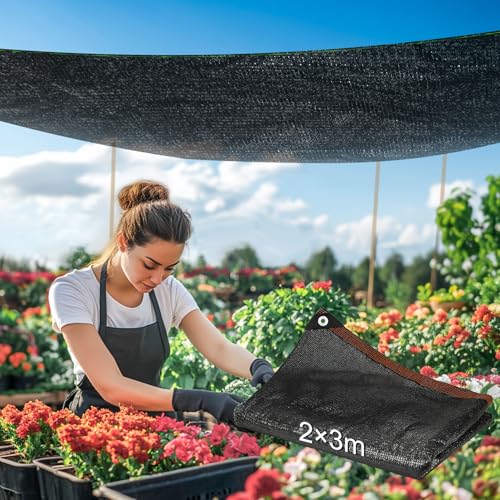
Sukh’s shade cloth delivers 60% shade with UV resistance and a breathable mesh design. It’s lightweight and long-lasting, suitable for outdoor balconies, courtyards, carports, and plant beds. The product emphasizes airflow and soft light, helping prevent heat buildup while ensuring adequate light for photosynthesis. It’s a flexible option for gardeners who need reliable shade without overly dark conditions for vegetable growth.
vensovo 70% Shade Cloth

vensovo’s 70% shade cloth balances strong sun protection with ample airflow. It is designed for greenhouses, garden beds, and outdoor shelters, featuring a durable HDPE material and reinforced edges for longevity. The wide coverage helps protect larger plantings while maintaining adequate light for healthy growth. This option suits gardeners wanting substantial shade without fully blocking photosynthesis for vegetables like tomatoes and cucumbers.
JIWINNER 70% Black Shade Cloth

JIWINNER’s 70% shade cloth uses HDPE with reinforced edges and corners. Designed for outdoor use, it provides effective sun protection while preserving air and moisture movement. The 6.5×10 ft size is well-suited for mid-sized garden rows, patios, or greenhouses. The durable construction makes it a practical choice for gardeners who plan to use shade cloth across multiple seasons or in variable weather conditions.
POYEE 90% Shade Cloth

POYEE’s 90% shade cloth offers near-total sun reduction while remaining breathable, using HDPE to maximize airflow and water passage. It’s a robust option for protecting greenhouse crops, vegetables in open beds, and outdoor spaces like porches or dog kennels when extra shade is needed. Its taped edge and brass grommets support secure installation, even in windy conditions, making it reliable for heat-prone climates.
Buying Guide: Key Considerations For Shade Cloths
- Shade rate: Choose a cloth that matches your crop needs. Higher percentages (70–90%) protect delicate greens, peppers, and herbs, while lower percentages (30–50%) are better for sun-tensitive varieties that still require some light.
- Material and durability: HDPE is common for outdoor use due to tear resistance and UV stability. Look for reinforced edges and grommets for easier mounting and longer life.
- Airflow and water passage: A balance between shade and ventilation is crucial. Cloths with mesh design allow cooling and irrigation without removing shade.
- Size and installation: Measure your space and consider how you’ll mount the cloth (over frames, fences, or existing structures). Grommets along edges simplify hanging, especially in windy areas.
- Multi-use versatility: Some cloths double as kennel, greenhouse, or patio covers. If you need flexibility, choose a cloth with broad applicability and durable construction.
- Maintenance: Check for washability and compatibility with cleaning routines to prevent buildup that could reduce light transmission over time.
When selecting a shade cloth for vegetables, align the shade level with the crop’s light tolerance and local climate. For heat-prone summers, higher shade rates protect sensitive crops like lettuce and peppers, while tomatoes and cucumbers may tolerate moderate shade. Durability matters in windy or storm-prone areas, so reinforced edges and robust materials reduce replacement frequency. Finally, ensure installation is feasible with your existing garden setup to maximize the benefits of shade without compromising plant growth.