Maintaining the right water pH is crucial for nutrient uptake and healthy plant growth. This guide highlights reliable tools and products that help you monitor and adjust pH for garden beds, indoor pots, hydroponics, and aquariums. From soil testers to pH down solutions, these items cover various setups and budgets while supporting accurate readings and safe adjustments for thriving plants.
Summary of Selected Products
| Product | Brand | Type |
|---|---|---|
| SONKIR 3-in-1 Soil Tester | SONKIR | Soil moisture, pH, sunlight |
| API pH Down Freshwater | API | Water pH reducer |
| YAMRON 4-in-1 Digital Meter | YAMRON | Moisture, pH, temperature, light |
| VIVOSUN 3-in-1 Tester | VIVOSUN | Moisture, light, pH |
| FoxFarm Cultivation Nation pH Down | FoxFarm | Liquid pH down |
SONKIR 3‑in‑1 Soil Tester: Moisture, pH, Light

The SONKIR MS02 combines soil moisture, pH, and sunlight readings in a compact, battery-free unit. This 3-in-1 tester is designed for quick checks in garden beds, lawns, farms, and indoor pots. To obtain an accurate pH reading, ensure the soil is moist; drier conditions may prevent the indicator from moving. The device is simple to insert into soil and read after a few minutes, making it convenient for routine monitoring without daily maintenance.
Key points to consider: It measures soil-based pH in conjunction with moisture and sunlight. Users should water dry soil before testing to get meaningful results, and the device requires no batteries, relying on the soil’s conductivity for readings. Its versatility supports ongoing plant care across outdoor and indoor environments, including lawns and farms.
API pH Down Freshwater Aquarium Solution
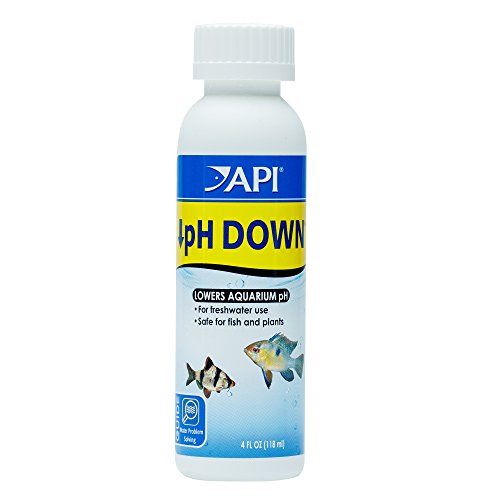
API pH Down is formulated to reduce freshwater aquarium water pH in a phosphate-free way that remains safe for aquatic life and plants. This product is designed for use in controlled environments where neutral or slightly acidic conditions support plant and fish health. The bottle provides a predictable, gradual adjustment when used according to directions, helping to maintain a stable pH for sensitive species and established plant growth.
Considerations include ensuring compatibility with your tank’s inhabitants and monitoring pH after each adjustment. While labeled for aquarium use, many hobbyists apply pH management products in hydroponic systems with caution, always following product guidelines to avoid abrupt changes that could stress plants.
YAMRON 4‑in‑1 Digital Soil Tester

The YAMRON model combines moisture, pH, temperature, and sunlight readings within a single instrument, offering a comprehensive view of soil conditions. The large backlit LCD display aids readability in both daylight and darkness. It runs on AAA batteries (not included) and alerts when the battery is low. Its quick detection technology provides fast and reasonably precise readings for pH, moisture, and light, enabling data-driven watering and feeding decisions for flowers, vegetables, and lawns.
Practical use notes: The 4-in-1 capability reduces the need for multiple tools, but readers should interpret pH readings in the context of soil texture and plant species. Regular calibration isn’t mentioned, so users should consult the manual for any maintenance steps to maintain accuracy over time.
VIVOSUN 3‑in‑1 Soil Tester

The VIVOSUN 3‑in‑1 tester provides readings for soil moisture, light, and pH. A single-button interface allows switching among modes, making it a compact option for gardeners who need quick checks on the go. Its 10.8-inch form factor makes it easy to use in both indoor pots and outdoor beds, supporting gardeners with versatile needs. Reading ranges include moisture levels from dry to moist and light intensity from low to strong, with a pH range from acidic to basic. This device emphasizes portability and straightforward use for everyday plant care.
Best-use scenarios include routine monitoring of container plants, small garden plots, and hydroponic setups where a quick glance can guide watering and nutrient decisions. As with most probe-based testers, consistency depends on soil conditions, probe cleanliness, and calibration practices if applicable.
API PROPER pH 7.0 Stabilizer

API PROPER pH 7.0 is a freshwater aquarium pH stabilizer designed to neutralize water and maintain a steady pH level for fish and plants. This product helps remove toxic compounds from tap water to create a safer environment, assisting in keeping aquatic life healthy and colors vibrant. While primarily marketed for aquariums, hobbyists may find its pH-stabilizing properties useful for hydroponics and other sensitive plant systems that require a stable pH close to neutral.
Important considerations include compatibility with your specific ecosystem and monitoring pH after introduction to ensure the desired stability. This product is part of a broader water treatment strategy that balances hardness and alkalinity while preserving beneficial nutrients for plant growth.
AiGerdinn 4‑in‑1 Soil Tester

The AiGerdinn 4‑in‑1 tester measures soil moisture, pH, nutrients, and sunlight with a single probe. It emphasizes a non-battery design and root-friendly testing, highlighting 4-in-1 functionality for indoor and outdoor gardening. The device claims to work across a range of soil types and stages of plant growth, enabling gardeners to balance moisture, pH, nutrients, and light to promote vigorous health and growth. The manufacturer outlines steps for proper use to avoid testing in wet conditions or with unsuitable soils, aiming to minimize root disturbance.
Considerations include the need to compact surrounding soil for accurate readings and the potential for environmental variability to influence pH values. Users should interpret results alongside plant species requirements, soil type, and seasonal changes to optimize care strategies.
Southside Plants Tap Water Conditioner

Southside Plants Tap Water Conditioner is designed to make tap water safer for houseplants and hydroponic systems by neutralizing chlorine, chloramines, and heavy metals. The product buffers pH and protects plant roots as water conditions are adjusted for optimal uptake of nutrients. It is marketed as suitable for ponds and aquariums as well, offering flexibility for mixed environments where aquatic and terrestrial plants share water sources. Application guidelines emphasize adding a measured amount to one gallon of water to treat large volumes efficiently.
Practical use involves using the conditioner as part of a broader water quality routine. While it helps neutralize common water problems, pH stability is best achieved through careful measurement, testing, and, if needed, additional pH adjustments tailored to plant species and growth stage.
FoxFarm Cultivation Nation pH Down
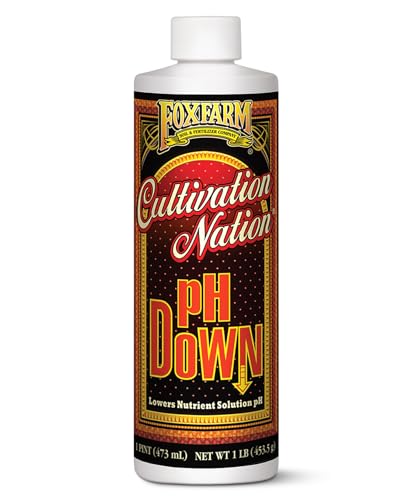
FoxFarm Cultivation Nation pH Down is a liquid nutrient solution designed to lower pH in hydroponic and soil-based gardens. With 40% citric acid, it supports nutrient uptake and nutrient balance without harsh compounds. The product claims to simplify pH management by allowing users to adjust the pH of nutrient solutions in a controlled manner, encouraging stable growth conditions. Usage involves shaking well, testing pH, and adding small amounts of pH Down, repeating until the desired pH is reached. This method supports incremental adjustments and reduces the risk of overshooting target pH values.
When using pH Down products, it is important to monitor pH after each addition and consider the buffering capacity of the growing medium. Different substrates and nutrient formulations can influence how quickly the pH changes, so a measured approach yields the most consistent results for robust plant development.
Buying Guide: Key Purchase Considerations for pH Management
- Purpose and environment: Determine whether you need a soil tester, aquarium pH reducer, or a dedicated pH down solution for hydroponics or soil gardens. Indoor pots, hydroponic systems, and outdoor beds each have distinct needs and stability considerations.
- Measurement type: Choose between soil-based probes, water- or nutrient-solution-based pH adjustments, and digital meters with backlit displays for readability in various lighting conditions.
- Battery vs. non-battery: Battery-free tools offer simplicity but may require careful moisture handling, while digital meters with batteries can provide more precise readings and data logging in some setups.
- Calibration and maintenance: Some devices require calibration, while others rely on soil conductivity. Consider how often you’ll recalibrate or replace sensors based on usage and soil conditions.
- Range and accuracy: Check the pH range and measurement precision to ensure it meets the needs of your plants. Some meters cover a broad range but may have limited accuracy at extreme values.
- Compatibility with plants: Different species tolerate pH variations differently. Establish a target pH range for your crops, and select products that help you maintain those levels.
- Safety and compatibility: For aquatic setups, ensure pH adjustments are safe for fish and beneficial microorganisms. For soil, avoid abrupt changes that stress roots.
- Price and longevity: Balance upfront cost with durability and the frequency of replacement parts (batteries, probes, or sensor heads) when evaluating options.
In summary, a practical pH management approach blends reliable measurement tools with careful, incremental adjustments. For soil-focused care, multi‑function testers can streamline routine checks. For hydroponics and aquariums, pH down solutions and stabilizers help sustain the desired pH range while minimizing stress to plants and aquatic life. By understanding your growing medium, plant species, and environmental conditions, you can select the right combination of tools to support consistent, healthy growth.